Sun Damage
Skin Condition
Sun Damage
Signs, Risks & Treatment
Most of what people call "ageing skin" is actually accumulated sun damage — and in Pakistan's climate it builds up fast. Brown skin has some natural protection, but far less than most people assume. Here's what UV really does, and what can be improved, from Skin Bliss Islamabad & Karachi.
What Is Sun Damage?
Ageing You Can Actually Prevent
Sun damage — known medically as photoageing — is the premature ageing of skin caused by ongoing exposure to ultraviolet light. UVA penetrates deep into the dermis where it breaks down collagen and elastin, while UVB damages DNA in the surface layers. The damage is cumulative: it starts far earlier than most people realise, often in the teens, and builds silently for years before it becomes visible.
Here's why this matters more than almost anything else on this site: a large share of what people think of as inevitable facial ageing is actually sun damage — meaning it was largely preventable, and future damage still is. It shows up worst on the areas that get the most exposure: the face, neck, upper chest, forearms and the backs of the hands. That is also why the neck and hands often give away age even after facial treatment.
Book a Skin AssessmentHow It Shows Up
The Four Signs of Photoageing
Most people have a combination — and on brown skin, the first one usually dominates.
Pigment Changes
Sun spots, freckling, dark patches and uneven tone. On Pakistani skin this is usually the earliest and most prominent sign — and often the one that bothers people most.
Rough Texture
Skin that feels coarse, dry or leathery, with enlarged pores and a dull surface. Caused by damage to the outer layer and slowed cell turnover.
Fine Lines & Wrinkles
UVA breaks down collagen in the dermis, so lines appear earlier and deepen faster than they would from age alone. See our wrinkles guide.
Loss of Firmness
Degraded elastin means skin loses its snap and begins to sag, particularly along the jawline and neck.
"But I Have Brown Skin" — The Honest Answer
Melanin does give medium and deep skin tones meaningfully more natural protection than fair skin, and deep wrinkling often appears later. But it is nowhere near sufficient on its own. Darker skin is more prone to lasting pigmentation from UV and inflammation — so the damage simply takes a different form: stubborn dark patches and uneven tone instead of burning. Those are among the hardest concerns to treat, which makes daily sunscreen more important for Pakistani skin, not less.
Prevention First
The Single Most Effective Step
No treatment on this page outperforms consistent sun protection. If you do nothing else, do this:
- Broad-spectrum SPF 30–50+, every morning, all year round
- Reapply through the day — especially outdoors or when sweating
- Don't skip cloudy days or indoors — UVA passes through cloud and glass
- Cover the neck, chest and hands, not just the face
- Tinted (iron oxide) formulas if you're also treating pigmentation — they block visible light too
- Hats, sunglasses and shade between late morning and mid-afternoon
Treating photodamage without daily sunscreen is like bailing out a boat without plugging the leak — you can improve what's there, but new damage keeps arriving.
Get a Sun-Protection PlanMatching Treatment to the Sign
How Sun Damage Is Treated
Different features of photoageing need different tools — most people combine two.
| Sign | Most Effective Options | Learn More |
|---|---|---|
| Sun spots & uneven tone | Pigmentation treatment; chemical peels | Pigmentation |
| Rough, dull texture | Chemical peel; HydraFacial; carbon peel | Chemical Peel |
| Fine lines & deeper texture | Fractional CO2 laser; RF microneedling | CO2 Laser |
| Loss of firmness | RF microneedling; HIFU | HIFU |
| Everyone | Daily SPF, retinoid, antioxidant | Routine advice |
On darker skin tones, resurfacing lasers are used conservatively to reduce the risk of post-inflammatory pigmentation.
Treatments at Skin Bliss
How We Treat Sun Damage
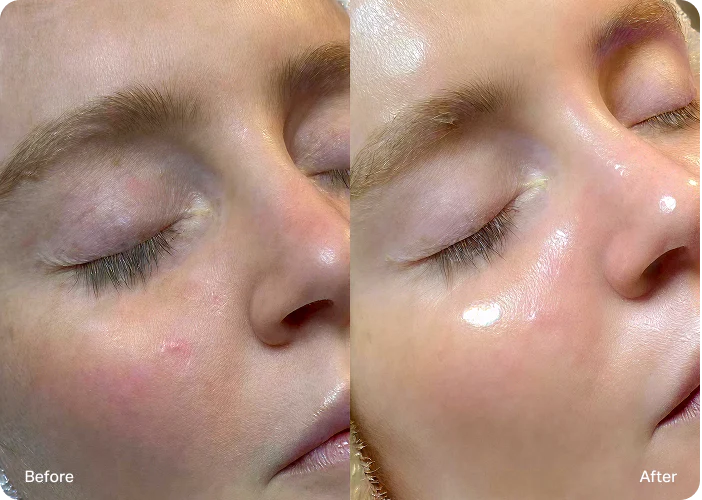
Pigmentation Treatment
Fades sun spots and evens out tone, tailored for Pakistani skin.
From PKR 8,000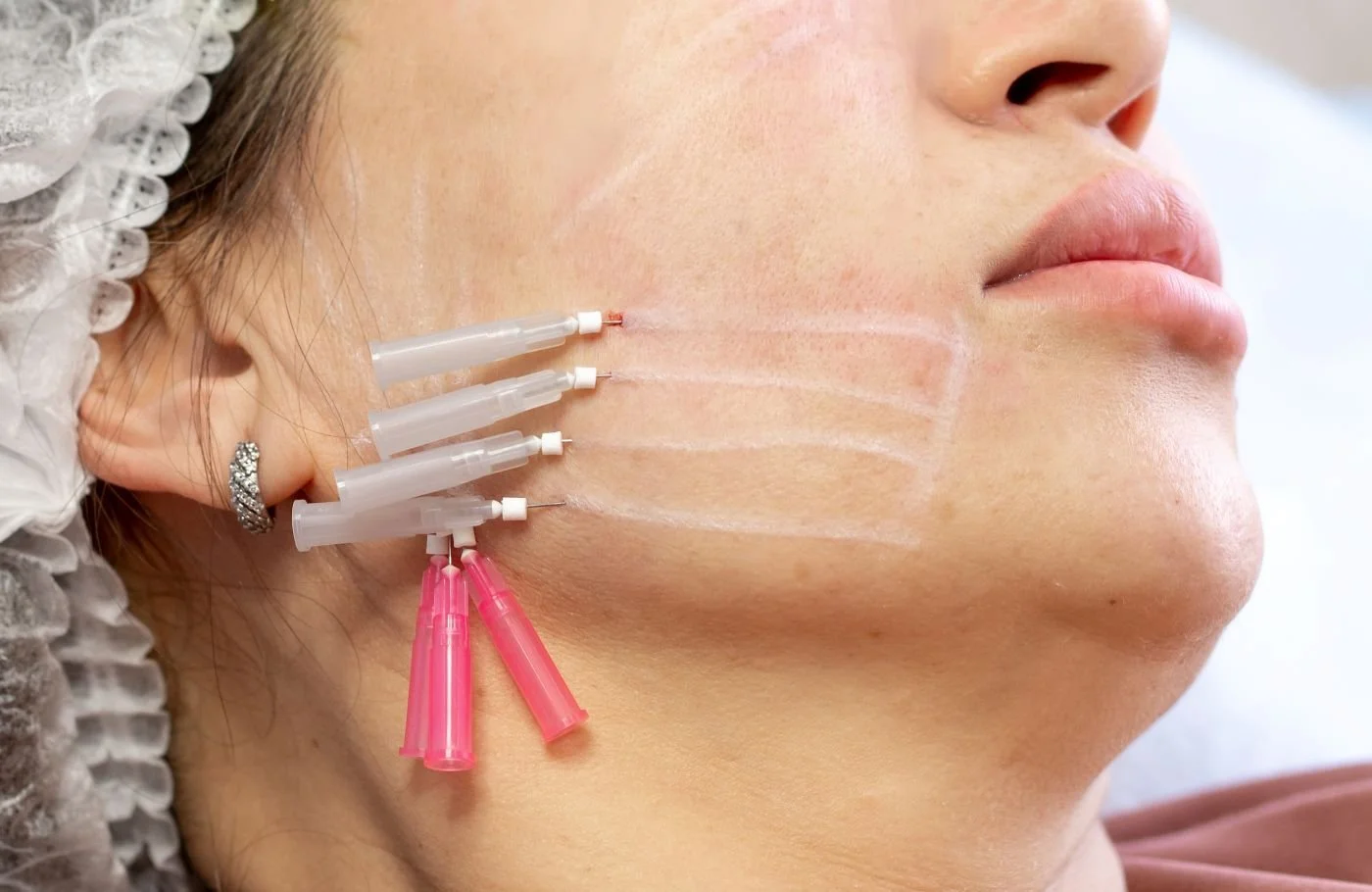
Chemical Peel
Renews sun-roughened surface skin and lifts surface pigment.
From PKR 4,000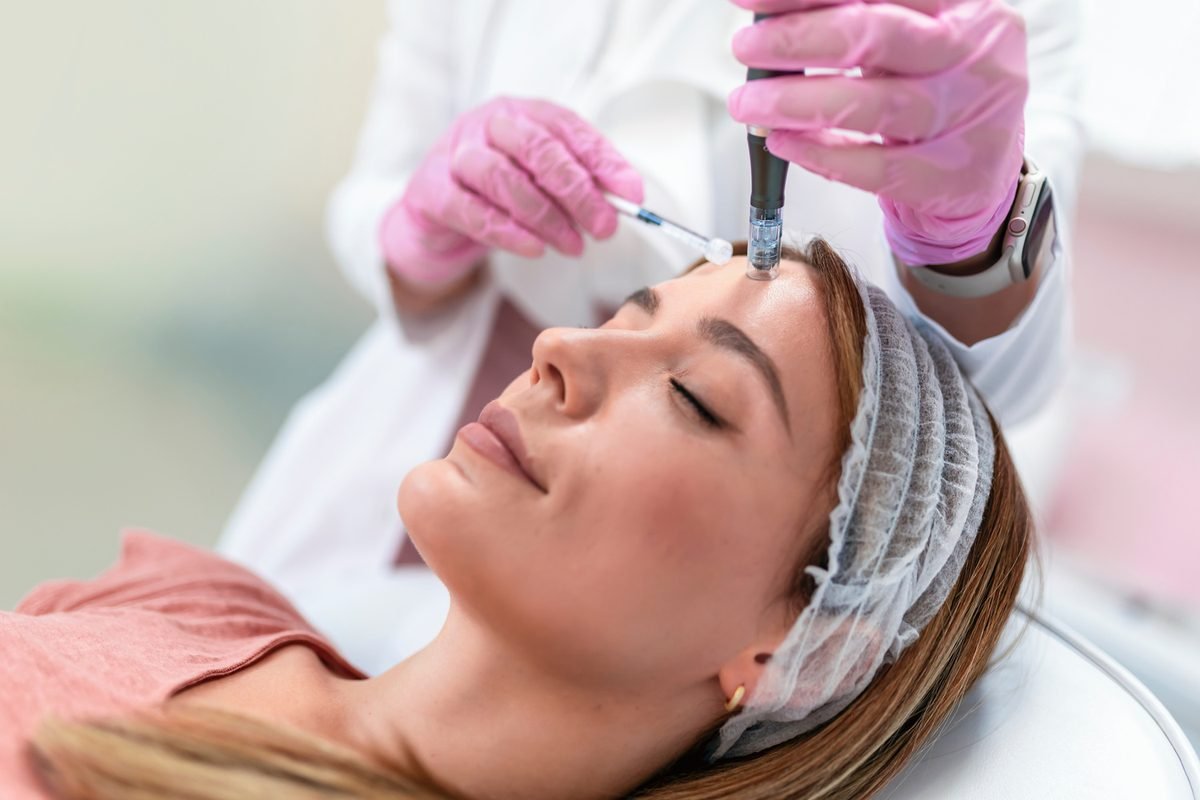
Fractional CO2 Laser
Resurfaces sun-damaged texture and rebuilds collagen.
From PKR 20,000RF Microneedling
Rebuilds collagen for firmness and texture — safe for all skin tones.
From PKR 15,000
HydraFacial
Restores hydration and glow to dull, sun-stressed skin.
From PKR 5,000
See All Prices
Transparent, itemised pricing — same at Islamabad & Karachi.
View Pricing →Important
When to Get a Spot Checked
Sun damage is mostly a cosmetic concern, but UV exposure also carries a health dimension worth knowing about. See a doctor about any spot or mark that is new and growing, changing in colour, shape or size, has an irregular border, or that itches, bleeds or won't heal.
This matters particularly in skin of colour. Skin cancer is less common in darker skin, but it is frequently diagnosed at a later stage — partly because it is assumed not to happen — which can lead to worse outcomes. A suspicious lesion should never be dismissed on the basis of skin tone. Having something checked and being reassured costs you one appointment.
Book a Skin CheckWhy a Doctor Matters
Reading the Damage Correctly
Sun damage overlaps with other conditions — melasma in particular, which is hormone-driven and treated far more cautiously. Treating one as the other wastes time and can worsen pigmentation, especially on darker skin where aggressive resurfacing carries real risk.
At Skin Bliss, photoageing is assessed and treated by Dr. Sania Khan, with settings chosen for your skin tone, at both our Islamabad and Karachi clinics. See real results in our before & after gallery (shared with patient consent).
Book a Free ConsultationFAQs
Sun Damage — Your Questions Answered
Yes, absolutely. Melanin does provide some natural protection — darker skin has a higher inherent sun protection factor than very fair skin — but it is nowhere near enough on its own. Sun damage in brown skin tends to show up as stubborn pigmentation, uneven tone and dark patches rather than obvious burning, and those are among the hardest concerns to treat. Daily broad-spectrum sunscreen is genuinely the most effective anti-ageing and anti-pigmentation step available to you.
It shows up in four main ways: pigment changes such as sun spots, freckling and uneven tone; rough or leathery texture; fine lines and wrinkles from collagen breakdown; and loss of firmness as elastin degrades. On darker skin the pigment changes are usually the most noticeable feature. Damage accumulates in the areas most exposed — face, neck, upper chest, forearms and the backs of the hands.
Existing damage cannot be undone entirely, but a great deal of it can be improved. Pigment spots can be faded, texture smoothed and collagen partly rebuilt with the right treatments. What treatment cannot do is repair the underlying cellular damage or protect you going forward — which is why every plan starts with sun protection. Without that, you are treating and re-damaging at the same time.
No, though they overlap and often coexist. Melasma is a specific condition driven by a combination of hormones and light, producing symmetrical patches typically on the cheeks, forehead and upper lip. General sun damage is the broader, cumulative effect of years of UV exposure — scattered spots, texture change, lines and laxity. They are treated differently, so it is worth having a doctor identify which you are dealing with.
Earlier than most people expect — the first signs of photodamage can appear in the teens and early twenties, though they often are not visible for years because the damage begins in the deeper layers of the skin. This is why sun protection genuinely matters from childhood onward, and why starting now still helps regardless of your age.
A broad-spectrum sunscreen protecting against both UVA and UVB, at SPF 30–50 or above, applied every morning and reapplied through the day — especially with outdoor exposure or heavy sweating. Lightweight, oil-free or gel formulas suit hot, humid conditions and oily skin better. If you are also treating pigmentation, a tinted formula containing iron oxides adds protection against visible light too.
Yes. UVA passes through glass and clouds, so you accumulate exposure while driving, sitting near a window at work or on overcast days. This is one of the most common reasons people who feel they are rarely in the sun still develop photodamage, and why daily sunscreen beats occasional heavy application.
See a doctor about any spot or mark that is new and growing, changing in colour, shape or size, has an irregular border, itches, bleeds or does not heal. While skin cancer is less common in darker skin, it is often diagnosed at a later stage in people of colour, which can lead to poorer outcomes — so a suspicious lesion should never be dismissed on the basis of skin tone. It is always better to have something checked and be reassured.
It depends which feature bothers you most. Pigment spots and uneven tone respond to pigment-focused treatment and chemical peels; rough texture and fine lines to resurfacing and RF microneedling; and loss of firmness to collagen-stimulating treatments. Most people benefit from a combined plan alongside a daily routine of sunscreen and, where appropriate, a retinoid and antioxidant. Dr. Sania Khan sets the plan at consultation.
It depends on the treatment your skin needs. Chemical peels start from PKR 4,000, HydraFacial from PKR 5,000, pigmentation treatment from PKR 8,000, RF microneedling from PKR 15,000 and fractional CO2 laser from PKR 20,000. Most plans combine a couple of treatments over several sessions, and the clinic gives you a clear estimate at your free consultation. Prices are the same at the Islamabad and Karachi clinics.
Undo What You Can. Prevent the Rest.
Book a free skin assessment with Dr. Sania Khan at Skin Bliss Islamabad or Karachi — and get a plan that treats existing sun damage and protects against more.