Acne Scars
Skin Condition
Acne Scars
Types, Causes & Treatment
Not all acne marks are scars — and not all scars are treated the same way. This guide explains how to tell true scars from dark marks, the four main scar types, why they form, and how each is treated safely for Pakistani skin at Skin Bliss Islamabad & Karachi.
What Are Acne Scars?
Damaged Collagen — Not Just a Dark Mark
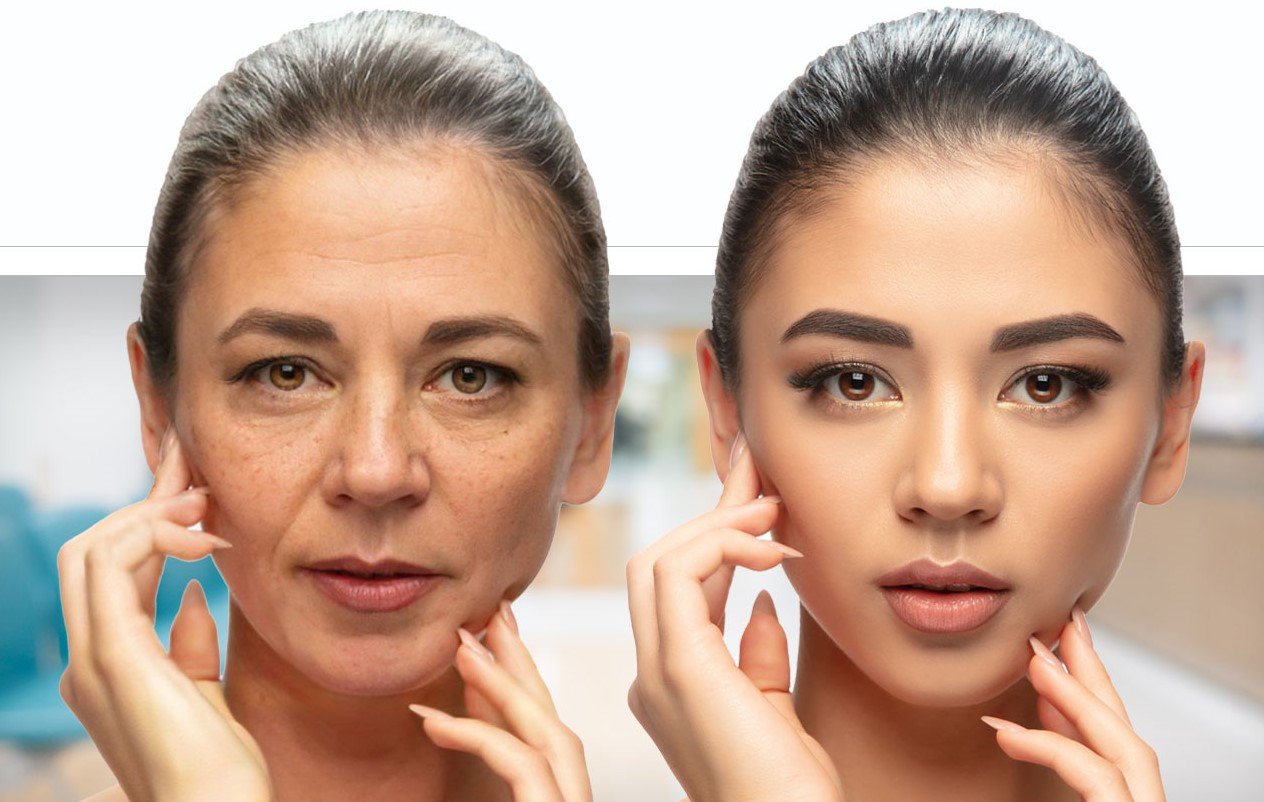
An acne scar is a permanent change in the skin's texture that happens when a breakout damages the collagen beneath the surface. When a pimple becomes inflamed and the wall of the pore ruptures, the body repairs the area — but if it makes too little collagen, the skin heals with a depression (an atrophic scar); if it makes too much, it heals with a raised bump (a hypertrophic or keloid scar).
This is different from the flat red or brown patch that a pimple often leaves behind. Those flat marks — known medically as post-inflammatory erythema (PIE, pink-red) and post-inflammatory hyperpigmentation (PIH, brown) — are changes in colour, not texture, and they usually fade on their own over several months. Knowing which one you have completely changes the treatment plan, which is why every scar consultation at Skin Bliss begins with identifying your exact scar type under good lighting.
Book a Scar AssessmentMarks vs Scars
Is It a Scar or a Mark?
The most common mistake is treating a colour mark as if it were a textured scar. Here is how they differ.
| Feature | Post-Acne Marks (PIE / PIH) | True Acne Scars |
|---|---|---|
| What changed | Colour of the skin | Texture of the skin |
| Appearance | Flat red, pink or brown patches | Depressions or raised bumps |
| Runs your finger over it | Feels smooth | Feels uneven |
| Fades on its own? | Usually, over 3–12 months | No — needs treatment |
| Best approached with | Sunscreen, topicals, peels, pigment lasers | Microneedling, laser, subcision, fillers |
Darker Pakistani skin tends to mark brown (PIH) rather than red — and that pigmentation, while stubborn, is treatable. See Pigmentation Treatment.
The Four Types
Types of Acne Scars
Most people have a mix of types, which is why a single treatment rarely fixes everything.
Icepick Scars
Narrow, deep, V-shaped pits that look like the skin was pricked with a fine needle. They reach deep into the skin, so they respond best to focused techniques such as TCA CROSS or fractional laser rather than surface treatments.
Boxcar Scars
Wider depressions with sharp, well-defined edges, like a shallow box pressed into the skin — often on the cheeks and temples. They respond well to fractional CO2 laser and RF microneedling that rebuild collagen at the edges.
Rolling Scars
Broad, shallow scars with sloping edges that give the skin a wavy, undulating look. They are tethered underneath by fibrous bands, so subcision (releasing those bands) combined with RF microneedling works particularly well.
Hypertrophic & Keloid Scars
Raised scars where the skin made too much collagen — more common on the jaw, chest and back. These are treated very differently: steroid injections and gentle protocols, not aggressive resurfacing lasers, which can make raised scars worse.
PIE & PIH (Marks)
Not true scars — flat red (PIE) or brown (PIH) marks left after a breakout. They usually fade over months and respond to sun protection, topicals, chemical peels and pigment lasers.
What Causes Acne Scars
Why Some People Scar and Others Don't
Scarring comes down to how much inflammation the skin went through and how it healed. The biggest risk factors are:
- Inflammatory acne — deep, painful cysts and nodules are far more likely to scar than surface whiteheads
- Picking and squeezing — this deepens inflammation and is one of the most preventable causes of scarring
- Delayed treatment — the longer active acne is left, the more chances the skin has to scar
- Genetics — a family tendency to scar (or to form keloids) raises the risk
- Skin tone — darker skin is more prone to lasting brown pigmentation after breakouts
The single most effective way to prevent new scars is to bring active acne under control early — which is why treating the acne itself always comes before treating the scars.
See Acne Scar TreatmentMatching Treatment to Scar Type
Which Treatment for Which Scar?
There is no universal fix. At Skin Bliss, Dr. Sania Khan matches the method to your scar type — usually combining two or three for the best result.
| Scar Type | Most Effective Options | Learn More |
|---|---|---|
| Rolling | Subcision + RF Microneedling; PRP | RF Microneedling |
| Boxcar | Fractional CO2 Laser; RF Microneedling | CO2 Laser |
| Icepick | TCA CROSS; fractional laser | Acne Scar Treatment |
| Raised (hypertrophic / keloid) | Steroid injections; gentle protocols | Doctor assessment |
| Brown marks (PIH) | Peels, pigment laser, topicals, sun protection | Pigmentation |
Most patients have a mix of scar types, so a combined protocol usually outperforms any single treatment.
Treatments at Skin Bliss
How We Treat Acne Scars
Acne Scar Treatment
Dr. Sania Khan's customised multi-modal protocol for your scar type.
From PKR 10,000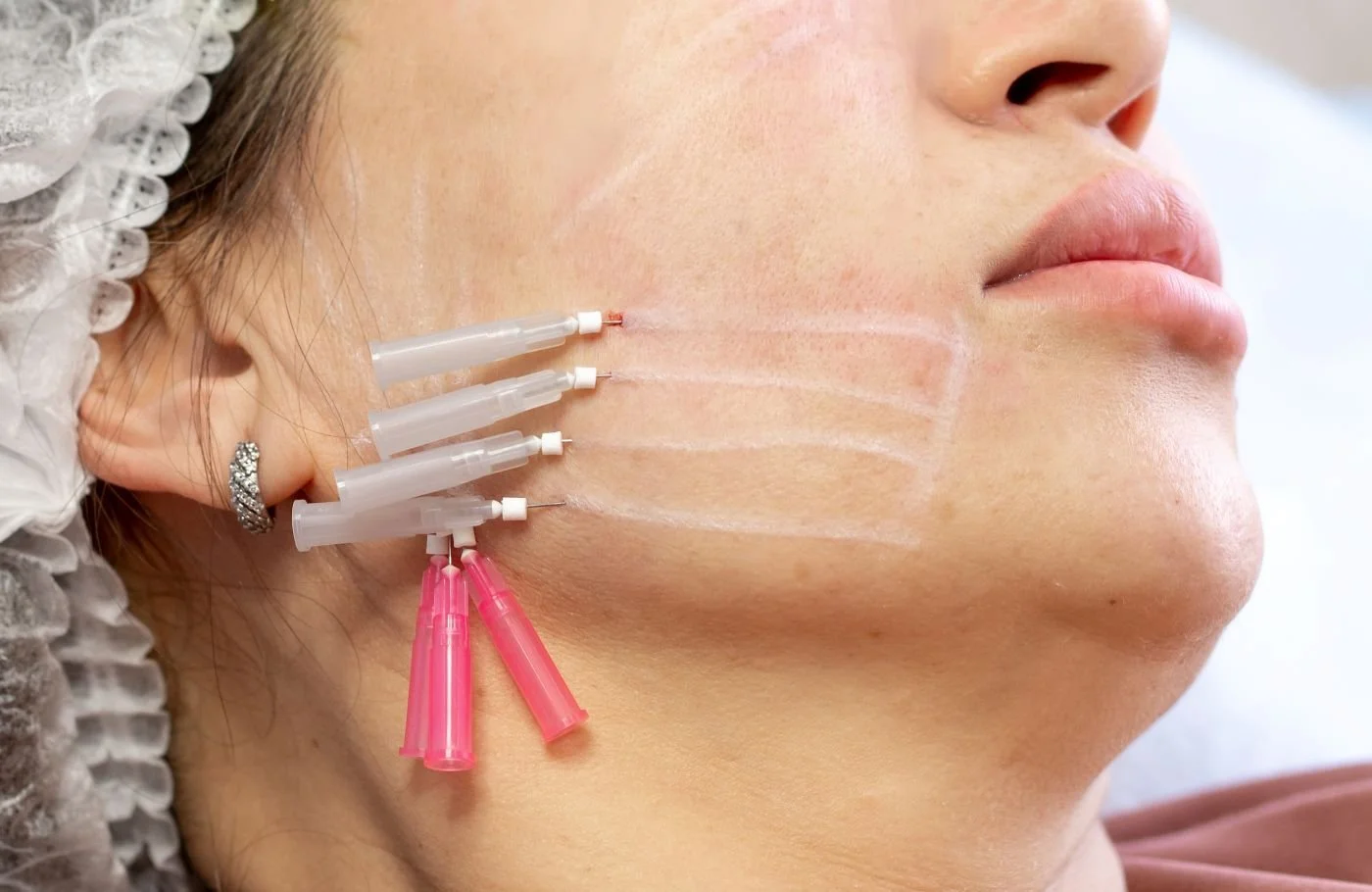
RF Microneedling
Sylfirm X — collagen rebuilding safe for all Pakistani skin tones.
From PKR 15,000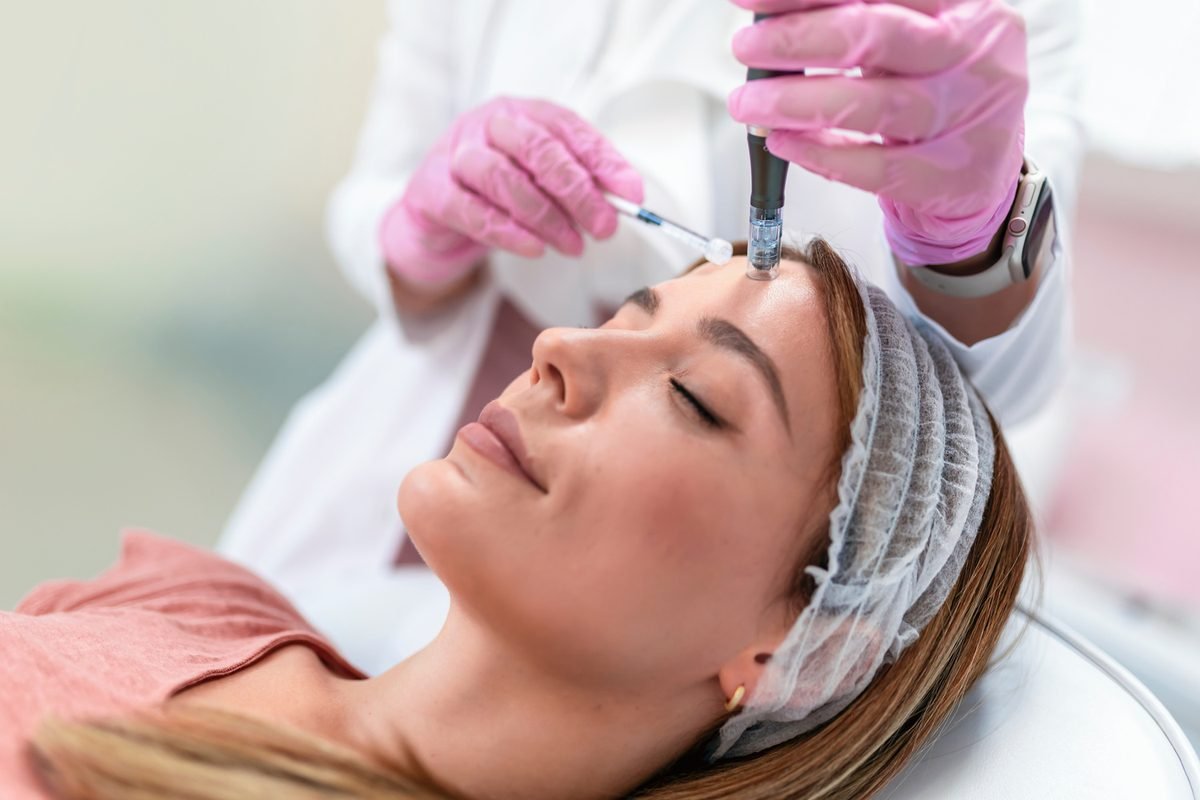
Fractional CO2 Laser
Powerful resurfacing for boxcar and deeper textured scars.
From PKR 20,000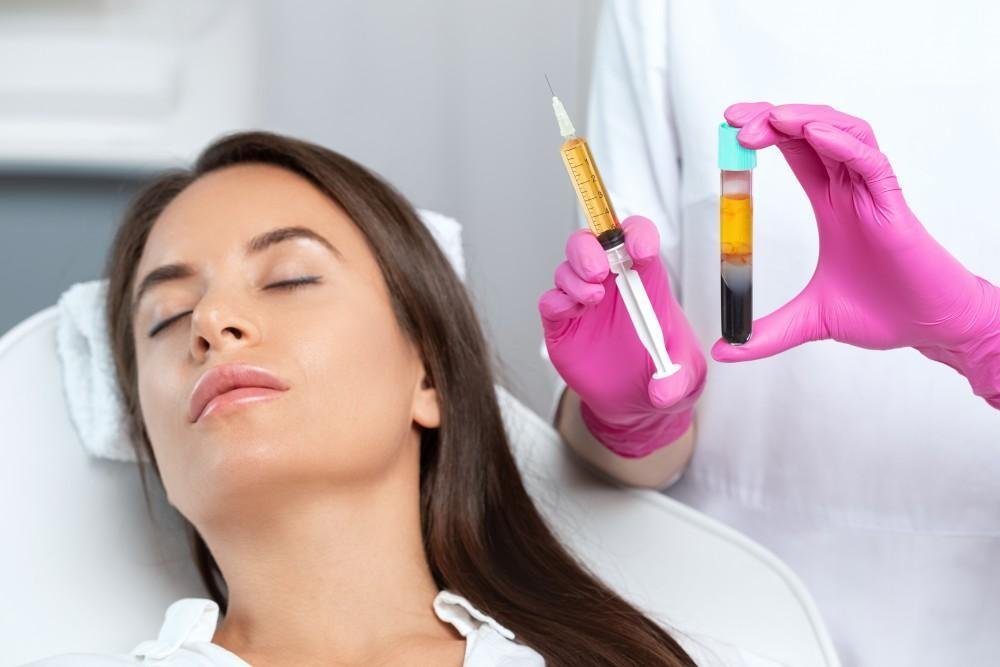
PRP Therapy
Your own growth factors, combined with microneedling to boost results.
From PKR 12,000Chemical Peel
For brown marks (PIH) and surface texture between deeper sessions.
From PKR 4,000See All Prices
Transparent, itemised pricing — same at Islamabad & Karachi.
View Pricing →Why a Doctor Matters
Scar Treatment Is a Medical Decision
Acne scarring on Pakistani skin carries a real risk of post-inflammatory hyperpigmentation if treated with the wrong device or settings. Correctly identifying your scar type, choosing skin-tone-appropriate treatments, and sequencing them safely is a clinical judgment — not a fixed salon menu.
At Skin Bliss, every acne scar plan is assessed and supervised by Dr. Sania Khan, with treatment available at both our Islamabad and Karachi clinics. You can see real patient results in our before & after gallery (shared with patient consent).
Book a Free Scar ConsultationFAQs
Acne Scars — Your Questions Answered
True acne scars cannot usually be erased completely, but the right combination of treatments can improve most scars significantly — often by 50–80% in appearance. The goal is meaningful, natural-looking improvement rather than perfectly flawless skin. How much improvement is realistic depends on your scar type, how deep the scars are, your skin tone and how many sessions you complete.
No. Flat red or brown patches left after a pimple are post-inflammatory marks (PIE and PIH), not true scars — they sit on the skin surface and usually fade over 3–12 months, and they respond to topicals, peels and pigment lasers. A true scar is a change in the skin's texture (a depression or a raised bump) caused by collagen damage, and it needs texture-focused treatments like microneedling or laser. Identifying which one you have is the first step, and it is why an in-person assessment matters.
There is no single best treatment — the right choice depends on your scar type. Rolling scars respond well to subcision and RF microneedling; boxcar scars to fractional CO2 laser and RF microneedling; narrow icepick scars often to TCA CROSS or fractional laser; and raised (hypertrophic or keloid) scars to steroid injections rather than aggressive lasers. Most patients get the best result from a customised combination rather than one treatment. Dr. Sania Khan assesses your scar type at consultation and builds the plan from there.
Yes, when the treatment and settings are chosen carefully. Darker skin tones (Fitzpatrick III–VI, which covers most Pakistani skin) have a higher risk of post-inflammatory hyperpigmentation, so treatments like RF microneedling — which is considered safe for all skin tones — are often preferred, and ablative lasers are used more conservatively. Strict sun protection before and after treatment is essential. This is why acne scar treatment on darker skin should be done under an experienced doctor rather than at a non-medical salon.
Most people need a course of 3–6 sessions spaced 4–6 weeks apart, because the skin rebuilds collagen gradually between treatments. Deeper or more extensive scarring can need more. Your exact number is estimated during your consultation once your scar type and depth are assessed.
Discomfort is usually mild to moderate and well controlled. A numbing cream is applied before microneedling and laser treatments, so most patients describe the sensation as tolerable — a light prickling or warmth. Any redness afterwards typically settles within a few days depending on the treatment.
Yes. Active breakouts should be brought under control first, for two reasons: treating scars over inflamed skin can worsen irritation and pigmentation, and ongoing acne simply creates new scars. Getting acne stable first protects the results of your scar treatment.
Acne scar sessions at Skin Bliss start from PKR 10,000, with the final cost depending on the treatment used and the number of sessions in your plan. Because scar treatment is usually a combination protocol over several sessions, the clinic gives you a clear session-by-session estimate at your free consultation. Prices are the same at the Islamabad and Karachi clinics.
Home care can help surface marks and support results — sunscreen, retinoids and vitamin C can fade post-acne pigmentation over time — but true textured scars (depressions and raised scars) need in-clinic treatments that reach the deeper collagen layer. At-home microneedling rollers are not a substitute and can cause irritation or infection if misused.
Because collagen remodelling is gradual, most people start noticing smoother texture from about 4–6 weeks after the first session, with continued improvement over the full course and for several months after the last session as new collagen matures.
Related Reading & Treatments
Find Out Which Scars You Have
Book a free, no-pressure scar assessment with Dr. Sania Khan at Skin Bliss Islamabad or Karachi — and get a treatment plan built for your skin.