Melasma
Skin Condition
Melasma
Causes, Triggers & Treatment
Those stubborn brown patches on the cheeks, forehead or upper lip are usually melasma — a light- and hormone-driven condition that is very common on Pakistani skin. It can't be "cured" in one go, but it can be managed extremely well. Here's how, from Skin Bliss Islamabad & Karachi.
What Is Melasma?
A Light-Driven Pigment Condition
Melasma is a common condition in which patches of skin become darker than the surrounding area, caused by pigment-producing cells (melanocytes) making too much melanin. It usually appears symmetrically on sun-exposed parts of the face — the cheeks, forehead, bridge of the nose, upper lip and chin — as flat brown or grey-brown patches.
It's most common in women, particularly during and after pregnancy (which is why it's nicknamed the "mask of pregnancy"), and in people with medium-to-deep skin tones, which includes most Pakistani skin. Melasma isn't harmful or contagious, but it can be persistent and emotionally frustrating — and importantly, it behaves differently from ordinary sunspots or post-acne marks, so it needs a different, gentler strategy.
Book a Pigment AssessmentWhat Sets It Off
Melasma Triggers
Melasma is driven by a mix of factors. Managing the triggers is half the treatment.
Sun & Visible Light
The biggest driver. Both UV rays and visible light (including screens and light through windows) stimulate pigment cells — which is why melasma is so common and stubborn in Pakistan's sunny climate.
Hormones
Pregnancy, oral contraceptives and hormone therapy can switch on pigment production. This is why melasma often first appears during pregnancy or after starting the pill.
Genetics & Skin Tone
A family history of melasma raises your risk, and medium-to-deep skin tones (Fitzpatrick III–VI) are far more prone to it — which covers most Pakistani skin.
Heat
Heat itself — from hot climates, cooking over stoves, or even hot facials — can aggravate melasma independently of UV, so keeping cool matters too.
Skin Irritation
Harsh scrubs, strong actives and irritating "fairness" creams can inflame the skin and make melasma worse — a common reason home remedies backfire.
Certain Medicines
Some medications and thyroid issues are linked to melasma, so a proper history — and occasionally a thyroid check — is part of a thorough assessment.
How Deep Is It?
Types of Melasma
How well melasma responds depends largely on how deep the pigment sits — which your doctor can assess, sometimes with a Wood's lamp.
| Type | Where the pigment sits | Response to treatment |
|---|---|---|
| Epidermal | Surface layer of skin | Usually responds well |
| Dermal | Deeper layer of skin | Slower, more stubborn |
| Mixed | Both layers (most common) | Partial — needs a combined plan |
Most people have the mixed type, which is exactly why a single cream or one laser session rarely clears it — a layered, patient approach works best.
The Right Order
How Melasma Is Treated — Step by Step
Melasma treatment works best as a sequence, not a single procedure. Rushing to aggressive lasers first is the classic mistake — especially on darker skin, where it can rebound badly. The safe order is:
- Photoprotection first — a daily broad-spectrum SPF 50+, ideally tinted (iron oxide) to block visible light too. Nothing else works without this.
- Topical depigmenting agents — doctor-selected creams (such as azelaic acid, and prescription options) to calm pigment production.
- Gentle chemical peels — to lift surface pigment gradually and safely.
- Tranexamic acid — topical or, in selected cases, oral under medical supervision for stubborn melasma.
- Conservative laser / energy devices — only later, test-patched and cautious, for suitable cases.
- Maintenance — because melasma recurs, a long-term maintenance routine keeps it controlled.
Treatments at Skin Bliss
How We Manage Melasma
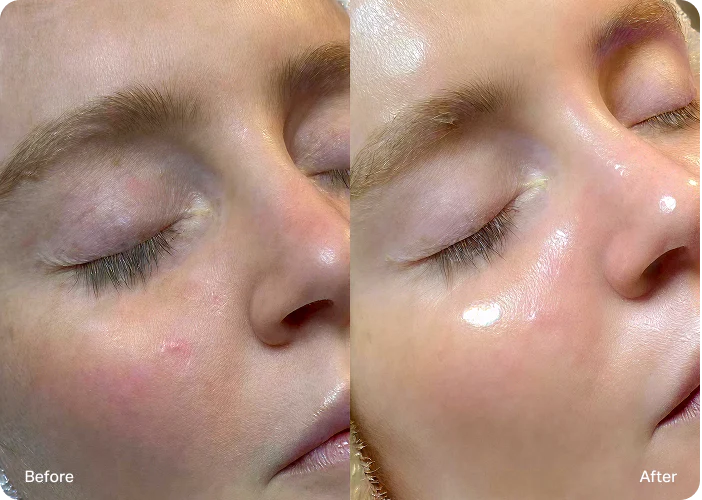
Pigmentation Treatment
Dr. Sania Khan's layered protocol for melasma and stubborn dark patches.
From PKR 8,000
Chemical Peel
Gentle, melasma-appropriate peels to lift surface pigment safely.
From PKR 4,000
Skin Brightening
Medically supervised brightening protocols for an even complexion.
From PKR 8,000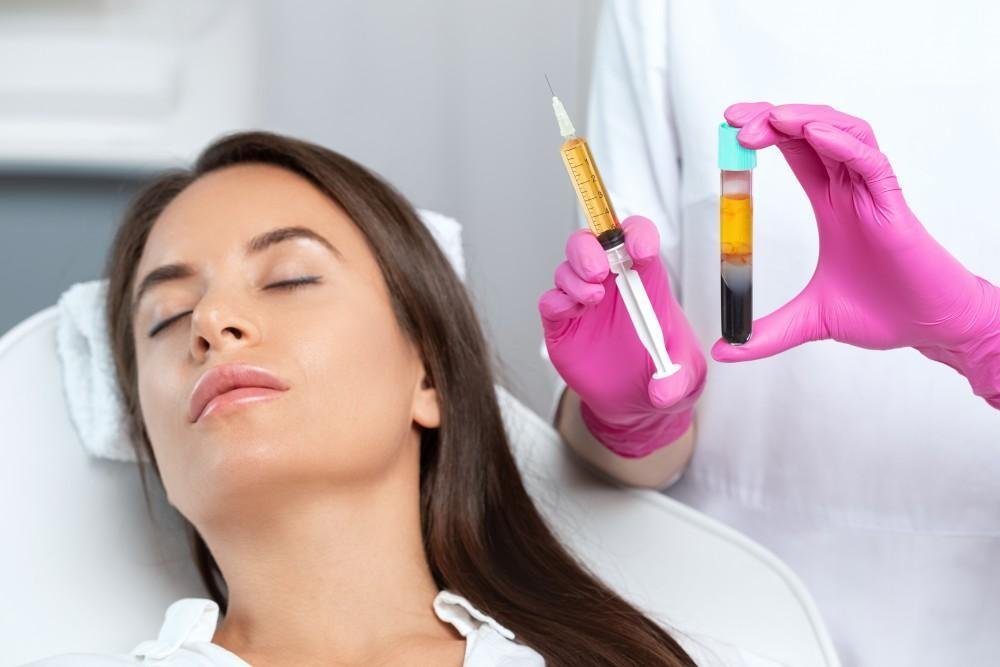
HydraFacial
Supports skin health and hydration alongside your melasma plan.
From PKR 5,000Read: Pigmentation & Melasma
Our in-depth blog guide to pigmentation on Pakistani skin.
Read Article →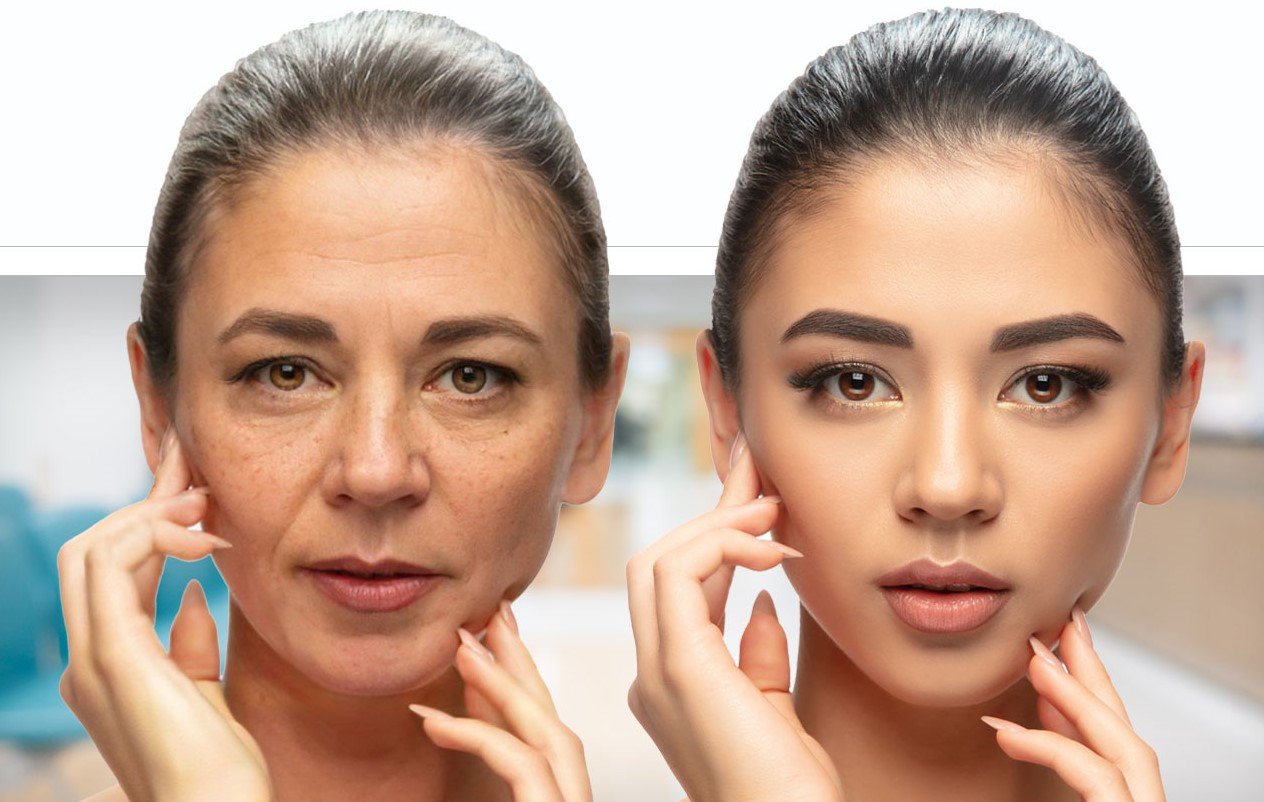
See All Prices
Transparent, itemised pricing — same at Islamabad & Karachi.
View Pricing →Why a Doctor Matters
Melasma Is Easy to Make Worse
More than almost any other skin concern, melasma punishes the wrong approach. Aggressive lasers, strong over-the-counter fairness creams and harsh facials can trigger rebound pigmentation that is darker and harder to treat than the original — a risk that is higher, not lower, on Pakistani skin.
At Skin Bliss, every melasma plan is assessed and supervised by Dr. Sania Khan, sequenced safely from sun protection upward, with treatment available at both our Islamabad and Karachi clinics. You can see real patient results in our before & after gallery (shared with patient consent).
Book a Free Melasma ConsultationFAQs
Melasma — Your Questions Answered
Melasma is a chronic condition that can be controlled very well but not permanently cured. With the right plan — strict sun protection plus topical or in-clinic treatment — the patches can fade substantially, but they tend to return if triggers like sun and hormones are not managed. Think of it as a condition you manage long-term rather than a one-off fix, which is why maintenance and daily sunscreen matter as much as the treatment itself.
The two biggest triggers are sunlight and hormones. Ultraviolet and even visible light stimulate the pigment cells, while hormonal shifts from pregnancy, oral contraceptives or hormone therapy switch pigment production on. Heat, certain skincare that irritates the skin, and a family history also contribute. Because sun and heat are major drivers, melasma is especially common and stubborn in Pakistan's climate.
Pregnancy-related melasma (sometimes called the mask of pregnancy) does fade for some women in the months after delivery, particularly once hormones settle. For others it persists and needs treatment. In either case, daily broad-spectrum sunscreen from early on gives the skin the best chance of clearing and helps prevent it from deepening.
Laser can help melasma but must be used cautiously on darker skin. Aggressive or incorrectly chosen laser settings can actually worsen melasma or trigger rebound pigmentation and post-inflammatory hyperpigmentation in Fitzpatrick III–VI skin. That is why melasma is never treated with laser as a first step at Skin Bliss — sun protection and topicals come first, and any laser or energy treatment is conservative, test-patched and doctor-supervised.
There is no single best treatment — melasma responds best to a layered approach. The foundation is rigorous daily photoprotection. On top of that, dermatologists use topical depigmenting agents, gentle chemical peels, and in selected cases oral or topical tranexamic acid or conservative pigment lasers. The right combination depends on how deep the pigment sits and your skin tone, which Dr. Sania Khan assesses at consultation.
It is the single most important part of managing melasma — no treatment works well without it. Melasma is driven by light, so a broad-spectrum sunscreen (ideally SPF 50+, reapplied through the day, and tinted/iron-oxide formulas that also block visible light) is essential every day, even indoors near windows and on cloudy days. Skipping sunscreen is the most common reason melasma treatment fails or relapses.
Yes, melasma commonly recurs, especially with sun exposure or hormonal changes. This is normal for the condition and not a sign that treatment failed. Ongoing maintenance — daily sunscreen, periodic topical use and occasional top-up sessions — keeps it under control. Setting this expectation up front is part of a responsible treatment plan.
Yes. Although melasma is far more common in women, men account for a meaningful share of cases, usually driven by sun exposure and genetics rather than hormones. The assessment and treatment approach is the same, with sun protection as the foundation.
Melasma improves gradually. Most people begin to see the patches lighten over 8–12 weeks of consistent treatment and sun protection, with continued improvement after that. Deeper (dermal) pigment is slower to respond than surface (epidermal) pigment. Patience and consistency give far better results than aggressive shortcuts, which can backfire on darker skin.
Oral tranexamic acid is used for stubborn melasma and can be effective, but it is a prescription medicine that must be assessed and monitored by a doctor, as it is not suitable for everyone (for example, people with certain clotting risks). At Skin Bliss it is only ever considered after a proper medical assessment by Dr. Sania Khan — never bought or self-dosed over the counter.
Related Reading & Treatments
Take Control of Melasma — Safely
Book a free, no-pressure melasma assessment with Dr. Sania Khan at Skin Bliss Islamabad or Karachi — and get a plan sequenced for your skin.