Stretch Marks
Skin Condition
Stretch Marks
Why They Appear & How to Fade Them
The colour of your stretch marks tells you almost everything about how well treatment will work. Red and purple marks still respond well. White, silver ones are much harder to shift. Here's the honest picture — what genuinely helps, what doesn't, and when to start — from Skin Bliss Islamabad & Karachi.
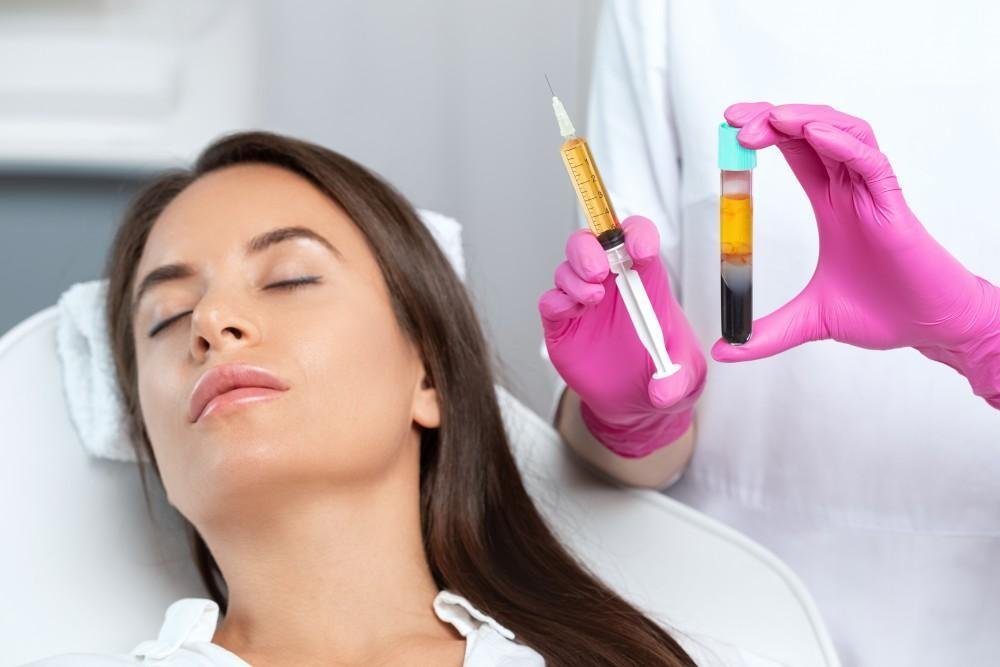
What Are Stretch Marks?
A Type of Scar — Not a Surface Stain
Stretch marks (medically, striae) are a form of scarring. When skin stretches or shrinks quickly, the collagen and elastin fibres that support it rupture. As the skin heals over that damage, narrow bands form — first as raised red or purple lines, later settling into flatter, paler marks that sit slightly below the surrounding skin. Run a finger over a mature stretch mark and you can usually feel a slight depression.
Understanding that they are scars, not stains, explains everything else: why creams that only sit on the surface don't do much, why treatments that rebuild collagen underneath do, and why complete erasure isn't realistic. They're extremely common, entirely harmless, and — importantly — not something you caused through carelessness. Hormones and family history play a large part in who gets them.
Book an AssessmentThe Deciding Factor
Red vs White: Your Treatment Window
If you take one thing from this page, take this. The colour of your marks predicts your result.
| Feature | Red / Purple (Striae Rubrae) | White / Silver (Striae Albae) |
|---|---|---|
| Age of mark | New — weeks to months | Mature — months to years |
| Appearance | Red, pink or purple, sometimes raised | Pale, flattened, slightly sunken |
| Blood supply | Still active | Largely gone |
| Response to treatment | Considerably better | Limited — improvement is modest |
| Best time to act | Now — this is the window | Still worth assessing, expectations adjusted |
This is why we'd rather tell you honestly at consultation what your marks are likely to do, than sell you a course that can't deliver.
Why They Form
Common Causes & Risk Factors
Stretch marks appear whenever skin is put under rapid mechanical stress — or when hormones weaken its supporting structure:
- Pregnancy — the most common cause, usually appearing in the later months
- Rapid weight gain or loss — the skin can't adapt quickly enough
- Growth spurts — very common in adolescence, on the back, thighs and hips
- Rapid muscle gain — from intensive bodybuilding
- Genetics — if your mother or sisters got them, your risk is higher
- Long-term steroid use — prolonged corticosteroid creams or tablets weaken skin
Certain medical conditions, including Cushing's disease and Marfan syndrome, are also associated with stretch marks — which is one reason unusual or widespread marks in someone with no obvious trigger are worth mentioning to a doctor.
Discuss Your MarksWhat Actually Helps
Treatments That Work — And Ones That Don't
Being straight about this saves you money and disappointment.
RF Microneedling ✓
Stimulates new collagen beneath the mark to improve texture and blending. Considered safe across skin tones, which makes it a strong first choice for Pakistani skin. Needs a course of sessions.
Fractional Laser ✓
Resurfaces and rebuilds collagen for texture improvement. Used more conservatively on darker skin to reduce pigmentation risk. Also a multi-session treatment.
Topical Retinoid — Limited
Has modest evidence for early marks only, with little effect on white ones. Must be avoided in pregnancy and breastfeeding — always check with a doctor first.
Oils & Cocoa Butter ✗
Cocoa butter, vitamin E and "miracle" oils aren't supported by strong evidence for preventing or removing stretch marks. Harmless and moisturising — but they won't dissolve a scar.
Pregnant or Breastfeeding? Please Read
Always check with your doctor before treating stretch marks during pregnancy or breastfeeding. Some topical ingredients, including retinol, can harm a baby, and in-clinic procedures are normally deferred until afterwards. During this time, gentle moisturising for comfort is the sensible approach — then have a proper assessment once you've finished breastfeeding.
Treatments at Skin Bliss
How We Treat Stretch Marks
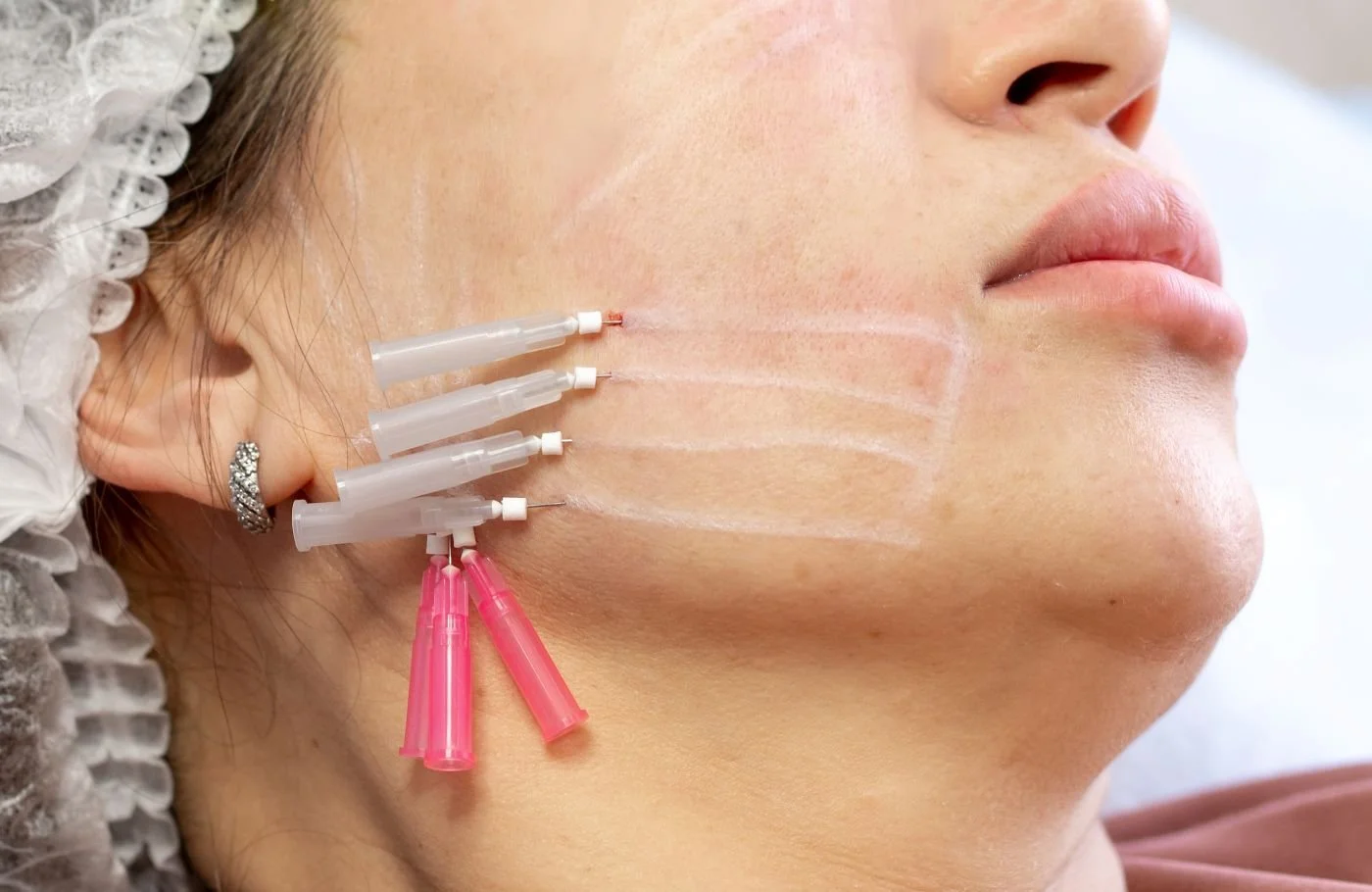
RF Microneedling
Sylfirm X collagen rebuilding for body stretch marks — safe for all skin tones.
From PKR 15,000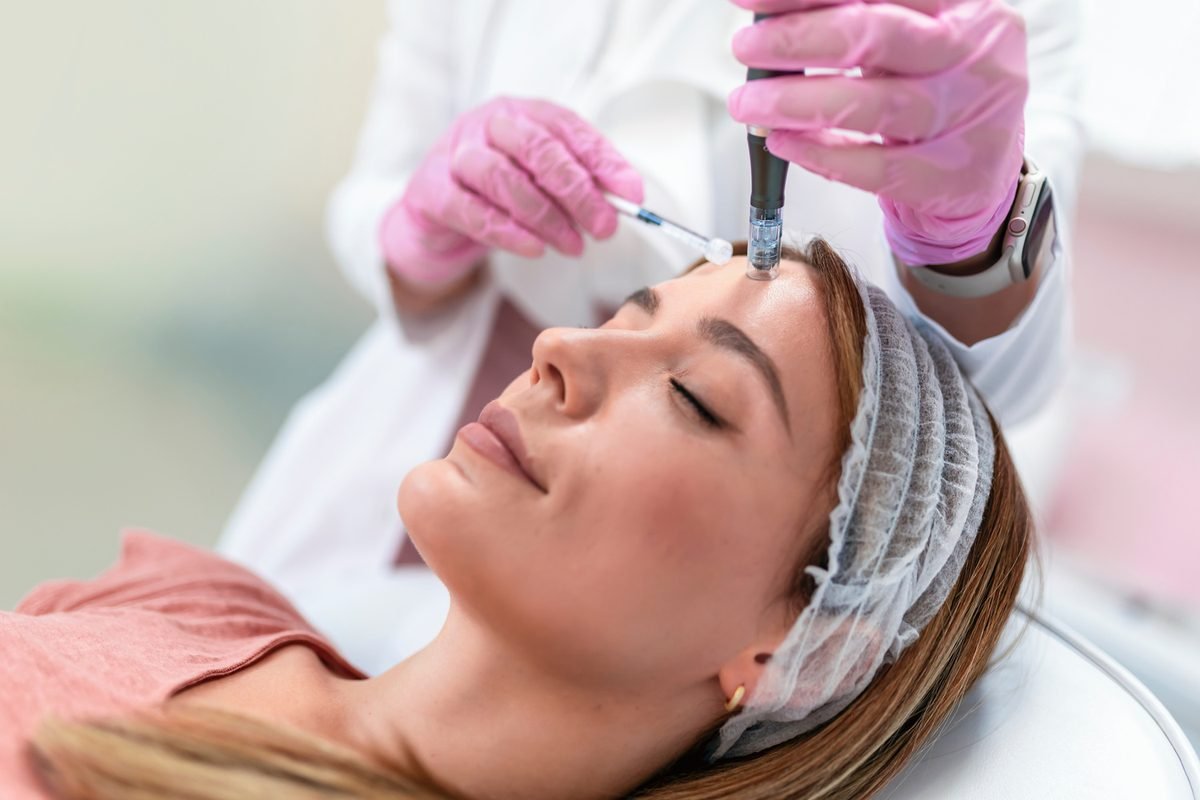
Fractional CO2 Laser
Resurfacing to improve the texture of stretch marks, used conservatively.
From PKR 20,000
Honest Assessment
Find out what your marks will realistically do before committing to a course.
Book Consultation →
Scar Treatment
Stretch marks are scars — see how we approach scarring generally.
Read Guide →Before & After
Real patient results, shared with consent.
View Gallery →See All Prices
Transparent, itemised pricing — same at Islamabad & Karachi.
View Pricing →Why a Doctor Matters
Realistic Expectations Are Part of the Treatment
Stretch marks are one of the most over-promised concerns in the aesthetics industry. Because they can't be erased, the value of a medical consultation is partly in being told honestly what your particular marks — given their colour, age and your skin tone — are likely to do. That's a better starting point than a course of sessions bought on a promise.
At Skin Bliss, stretch mark treatment is assessed and supervised by Dr. Sania Khan, using settings appropriate for your skin tone, at both our Islamabad and Karachi clinics.
Book a Free ConsultationFAQs
Stretch Marks — Your Questions Answered
No. Stretch marks are a type of scar, and like any scar they are permanent — treatment makes them significantly less noticeable rather than erasing them. Anyone promising complete removal is overselling. What good treatment realistically achieves is improved colour, smoother texture and marks that blend far better with the surrounding skin, which for most people is a meaningful difference.
They form when skin stretches or shrinks quickly and the collagen and elastin that support it rupture. As the skin heals, a scar-like band forms. The most common triggers are pregnancy, rapid weight gain or loss, adolescent growth spurts and rapid muscle gain from bodybuilding. Fluctuating hormones and family history both influence who develops them, so two people can go through the same pregnancy and only one gets marks.
Yes — and this is the single most important thing to know. Fresh red or purple marks (striae rubrae) still have active blood supply and respond considerably better to treatment. Older white or silver marks (striae albae) are mature, flattened scars with little pigment left, and they improve far less. Colour is essentially your treatment window, so the earlier you start, the better your result is likely to be.
For genuine texture and colour improvement, the strongest options are collagen-stimulating procedures — RF microneedling and fractional laser — usually over several sessions. Topical retinoids have modest evidence for early marks but are not safe in pregnancy or breastfeeding. No treatment works for everyone, and results vary with mark age, depth and skin tone, so an assessment first is worthwhile rather than committing to a course blind.
Mostly not. Popular remedies like cocoa butter, vitamin E and various oils are not supported by strong evidence for preventing or removing stretch marks. They are harmless and can improve comfort and skin hydration, but they will not dissolve a mature scar. Retinoid creams have some real, if modest, evidence for early marks — but they must be avoided in pregnancy and breastfeeding, so speak to a doctor first.
You should check with your doctor before treating stretch marks during pregnancy or breastfeeding. Some products contain ingredients such as retinol that can harm a baby, and most in-clinic procedures are deferred until after this period. The safe approach is to focus on gentle moisturising and comfort during pregnancy, then have a proper assessment once you have finished breastfeeding.
Stretch mark treatment is a course, not a single session. Most people need several sessions spaced a few weeks apart, because collagen rebuilds gradually between treatments. Larger areas such as the abdomen or both thighs need more time per session. Your exact plan is estimated at consultation once the age, colour and extent of your marks have been assessed.
Yes, with appropriate settings. RF microneedling is generally considered safe across skin tones, which is why it is often preferred for medium-to-deep Pakistani skin, while ablative lasers are used more conservatively to reduce the risk of post-inflammatory pigmentation. Sun protection of treated areas afterwards matters. This is exactly why treatment should be doctor-supervised rather than done at a non-medical salon.
Only partly. Because genetics and hormones drive much of the risk, some people will develop stretch marks regardless of what they do. Avoiding very rapid weight gain where possible and keeping skin well moisturised may help comfort and mild cases, but the evidence that any cream reliably prevents them is weak. It is worth knowing this so you do not blame yourself for marks that were largely out of your control.
It depends on the treatment and the size of the area. RF microneedling starts from PKR 15,000 and fractional CO2 laser from PKR 20,000 per session, with body areas priced according to size, and most people need a course of sessions. The clinic gives you a clear session-by-session estimate at your free consultation. Prices are the same at the Islamabad and Karachi clinics.
Find Out What's Realistic
Book a free assessment with Dr. Sania Khan at Skin Bliss Islamabad or Karachi — and get an honest answer about what your stretch marks will respond to.