Open Pores
Skin Condition
Open Pores
Causes & Treatment
Pores can't be permanently "closed" — but their appearance can be dramatically minimised. The trick is treating what actually makes them look big: excess oil, clogging, and loss of firmness around them. Here's how, from Skin Bliss Islamabad & Karachi.
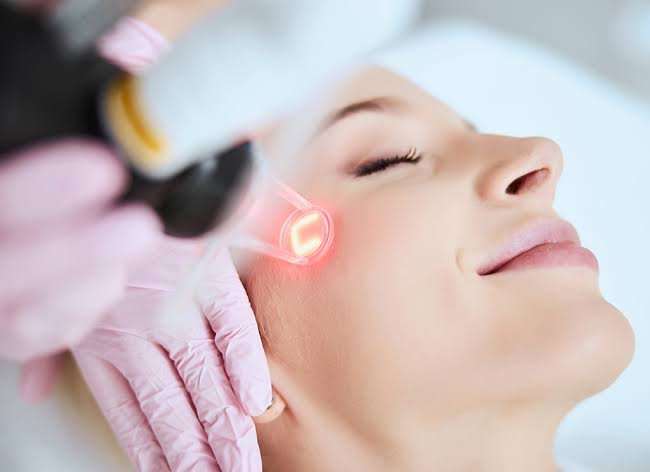
What Are Open Pores?
Normal Openings That Look Bigger
Pores are the tiny openings on the skin's surface that release oil (sebum) and sweat. Everyone has them, and they're essential — you can't and shouldn't get rid of them. "Open" or "enlarged" pores simply means the openings look bigger and more visible than you'd like, most commonly across the nose, inner cheeks and T-zone where oil glands are concentrated.
The single most useful thing to understand is that pore size is driven by a few specific factors — oil, firmness and clogging — and treatment works by addressing those, not by magically shrinking the pore itself. Anyone promising to "close pores forever" is overpromising. What a good plan delivers is clearer, tighter-looking, smoother skin that you maintain over time.
Book a Skin AssessmentWhat Drives Them
Why Pores Look Enlarged
Usually more than one of these is at play — which is why a combined approach works best.
Genetics & Skin Type
Your baseline pore size is largely inherited, and oily skin types have naturally larger pores. Larger pores are also simply more common in South Asian and Pakistani skin.
Excess Oil (Sebum)
The more oil your glands produce, the more visible the pores — which is why they're most noticeable in the oily T-zone and worse in humid weather.
Sun Damage & Ageing
As skin loses collagen and elastin — sped up by sun exposure — the support around each pore weakens, so pores lose their shape and look larger over time.
Clogging & Blackheads
Trapped oil and dead skin form blackheads that stretch the pore opening, making pores look bigger. Clearing this congestion instantly improves their appearance.
The Honest Truth
Pores can be minimised — sometimes dramatically — but not permanently shrunk to nothing or "closed." The realistic, achievable goal is clearer, smoother, tighter-looking skin maintained with the right routine and occasional in-clinic treatments. That honesty is exactly why our plans actually work.
What Makes Them Worse
Habits & Factors That Enlarge Pores
Alongside genetics, these are the things that push pores to look bigger:
- Skipping cleansing — lets oil and dead skin build up and stretch pores
- Sun exposure — breaks down the collagen that keeps pores tight
- Heavy, comedogenic products — clog pores and worsen congestion
- Squeezing & picking — damages and permanently widens the opening
- Excess oil & humidity — Pakistan's climate makes oily skin more reactive
- Ageing — natural collagen loss reduces pore support over time
The good news: most of these are manageable, and correcting them is a big part of why professional treatment holds up.
Get a Personalised PlanMatching Treatment to the Cause
Which Treatment for Enlarged Pores?
The best results come from pairing an oil/congestion treatment with a firming one.
| Driver | Most Effective Options | Learn More |
|---|---|---|
| Excess oil & congestion | Carbon Peel; HydraFacial | Carbon Peel |
| Loss of firmness / collagen | RF Microneedling; Fractional CO2 Laser | RF Microneedling |
| Surface renewal & blackheads | Chemical Peel; HydraFacial | Chemical Peel |
| Daily maintenance | Retinoid, niacinamide, salicylic acid, sunscreen | Routine advice |
Deeper, longer-lasting improvement comes from firming the skin — which is why collagen treatments feature in most pore plans.
Treatments at Skin Bliss
How We Minimise Pores
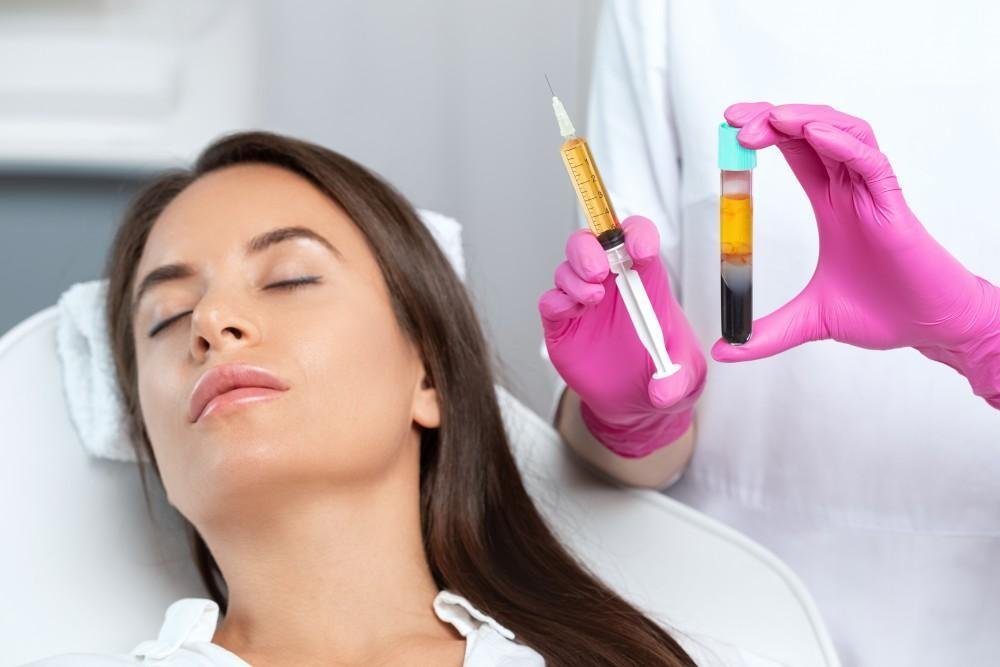
Carbon Peel Laser
Deep-cleans pores and reduces oil for an instant refined, matte finish.
From PKR 6,000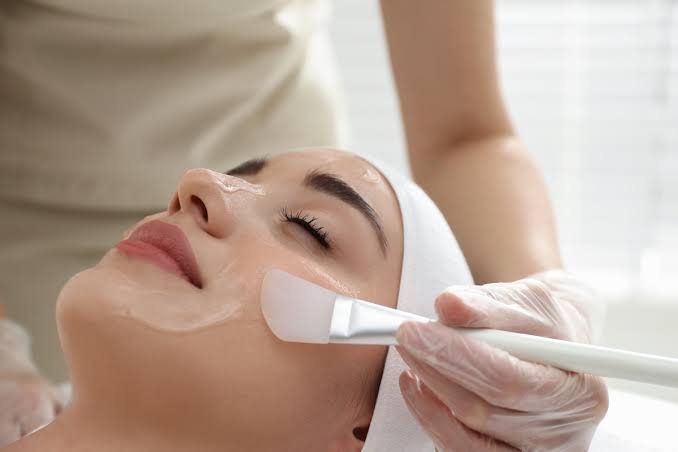
HydraFacial
Extracts blackheads and clears congestion so pores look instantly smaller.
From PKR 5,000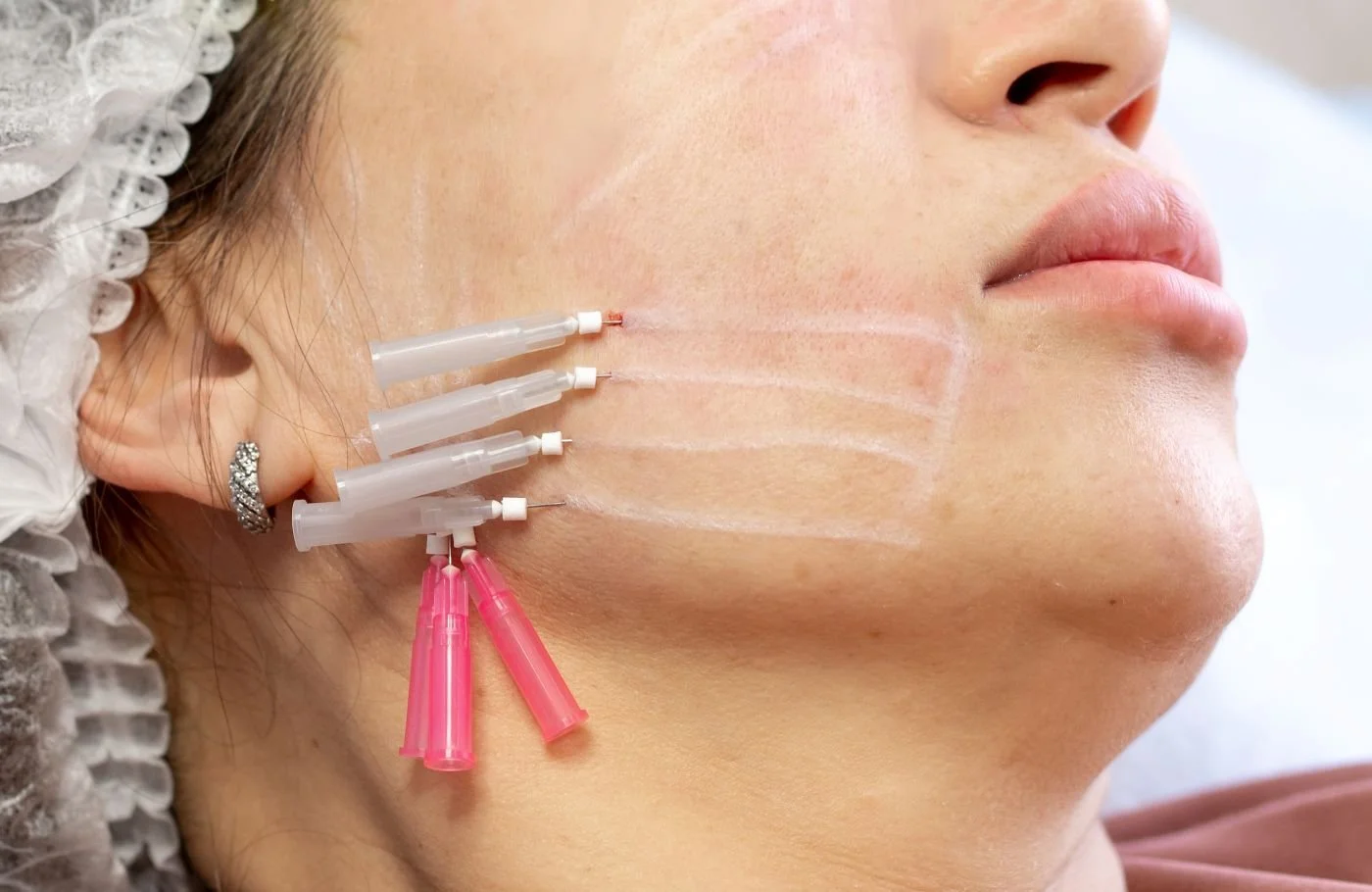
RF Microneedling
Rebuilds collagen to firm the skin around pores — safe for all skin tones.
From PKR 15,000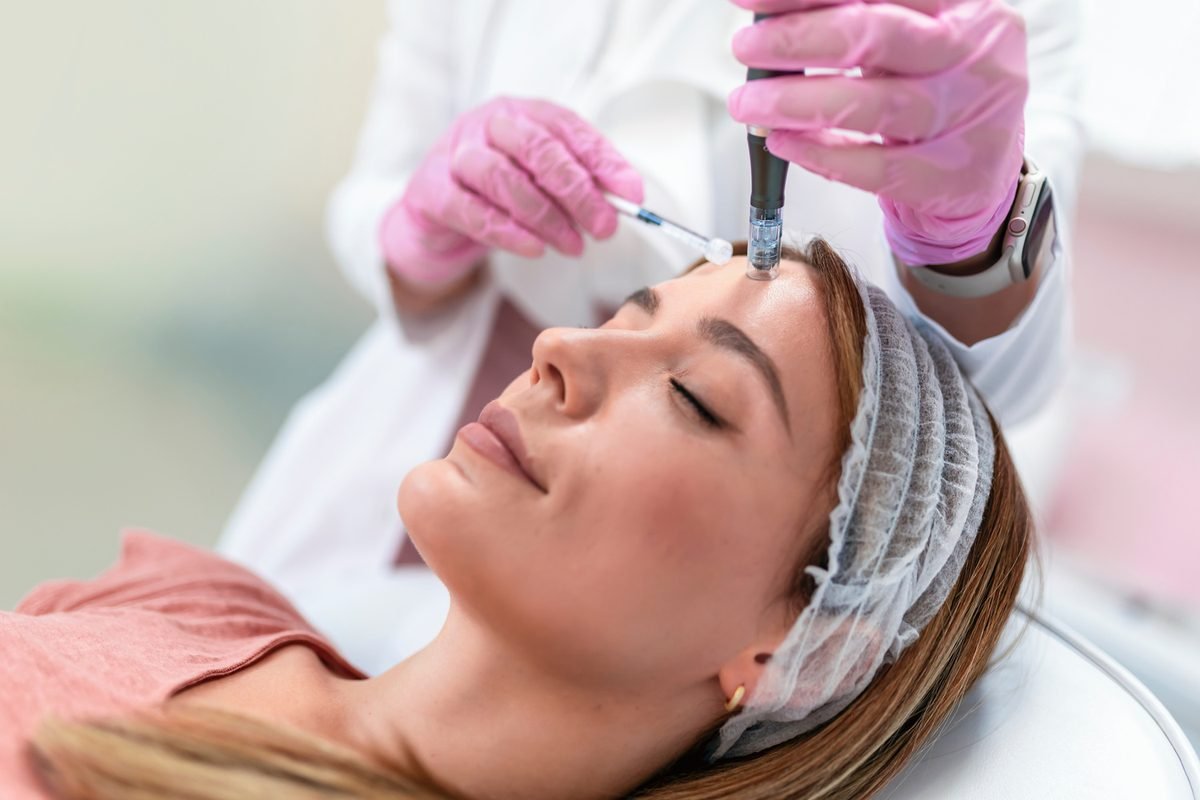
Fractional CO2 Laser
Resurfaces and tightens for more visibly refined skin texture.
From PKR 20,000Chemical Peel
Renews the surface and clears the debris that stretches pores.
From PKR 4,000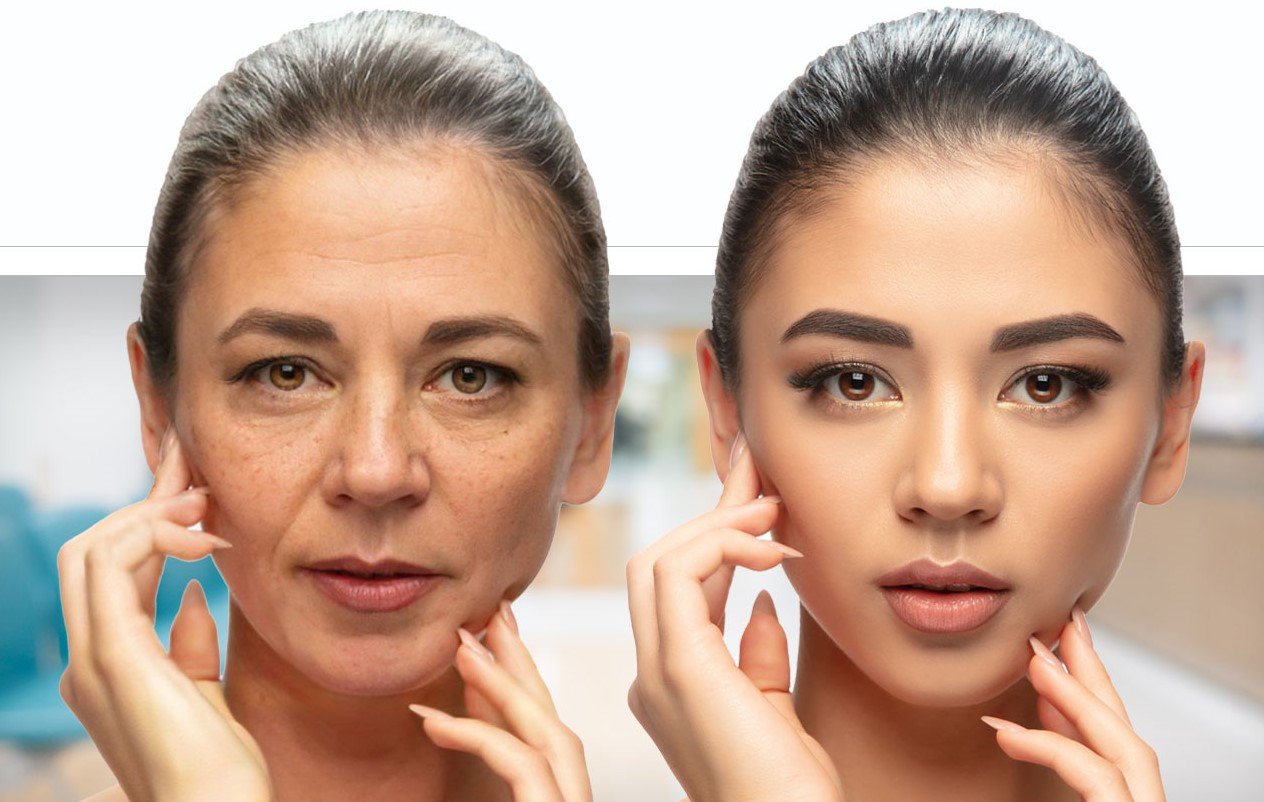
See All Prices
Transparent, itemised pricing — same at Islamabad & Karachi.
View Pricing →Why a Doctor Matters
The Right Combination for Your Skin
Pore treatment sounds simple, but doing it well means reading your skin correctly — how oily it is, how much firmness it has lost, and how it will respond on a Pakistani skin tone. The wrong aggressive laser or peel can cause irritation or pigmentation rather than improvement.
At Skin Bliss, open-pore treatment is assessed and supervised by Dr. Sania Khan, who combines the right treatments for your skin, at both our Islamabad and Karachi clinics. See real results in our before & after gallery (shared with patient consent).
Book a Free ConsultationFAQs
Open Pores — Your Questions Answered
Pores are functional openings in the skin, so they cannot be permanently closed or removed — anyone promising that is overselling. What treatment can do, and do well, is make pores look significantly smaller by clearing the oil and debris inside them and by firming the skin around them. The honest goal is minimised, tighter-looking pores maintained over time, not permanent elimination.
Three main things: how much oil your skin produces, how much elasticity the skin around the pore has, and how clogged the pore is. Oily skin types have naturally larger pores, sun damage and ageing loosen the support around them so they look bigger, and trapped oil and dead skin (blackheads) stretch the opening. Genetics set your baseline — larger pores are common in South Asian skin.
They can appear larger with age. As skin loses collagen and elastin — accelerated by sun exposure — it loses the firm support that keeps pores looking tight, so they seem more open. This is why treatments that rebuild collagen, like RF microneedling and laser, help improve pore appearance in older skin.
Because those areas — the nose, inner cheeks and the T-zone — have the highest concentration of oil glands. More oil activity means more visible pores, which is why enlarged pores are usually most noticeable there.
There isn't one single fix — the best results come from combining oil-clearing and skin-firming approaches. Carbon peel and HydraFacial deep-clean and reduce oil; RF microneedling and fractional laser rebuild collagen to tighten the skin around pores; chemical peels renew the surface. A daily routine with a retinoid, niacinamide or salicylic acid and sunscreen maintains it. Dr. Sania Khan matches the plan to your skin at consultation.
You can improve their appearance at home: cleanse twice daily, use a retinoid, niacinamide or salicylic acid (BHA), avoid heavy comedogenic products, and wear sunscreen daily to protect elasticity. This keeps pores clear and supported. Deeper, longer-lasting improvement usually needs in-clinic treatments that reduce oil and rebuild collagen.
Pore strips remove some surface blackheads temporarily, so pores may look cleaner for a day or two, but they don't reduce pore size and can irritate the skin if overused. They're a cosmetic quick-fix, not a treatment — regular cleansing and professional treatments give far better, lasting results.
Both work by stimulating collagen to firm the skin around pores, and both are effective. RF microneedling is often preferred for darker Pakistani skin because it's considered safe across skin tones with less pigmentation risk, while fractional laser offers strong resurfacing for suitable cases. The right choice depends on your skin type and how much downtime you can take — which is decided at consultation.
Yes. Higher oil (sebum) production is one of the main reasons pores look enlarged, so oily and combination skin types tend to have more visible pores. Controlling oil — through the right skincare and treatments like carbon peel or HydraFacial — is a key part of managing them.
It depends on the treatment. Chemical peels start from PKR 4,000, HydraFacial from PKR 5,000, carbon peel from PKR 6,000 and RF microneedling from PKR 15,000. Because pore treatment usually combines a couple of approaches over a few sessions, the clinic gives you a clear plan and estimate at your free consultation. Prices are the same at the Islamabad and Karachi clinics.
Smoother, More Refined Skin
Book a free skin assessment with Dr. Sania Khan at Skin Bliss Islamabad or Karachi — and get a realistic plan to minimise your pores.