Rosacea
Skin Condition
Rosacea
Types, Triggers & Treatment
Rosacea is a common cause of persistent facial redness, flushing and bumps. It's a medical condition — not just "sensitive skin" — and it's managed, not cured. On darker Pakistani skin it can look dusky or brown and is often missed. Here's how it's properly diagnosed and treated at Skin Bliss.
What Is Rosacea?
A Medical Condition, Not Just Redness
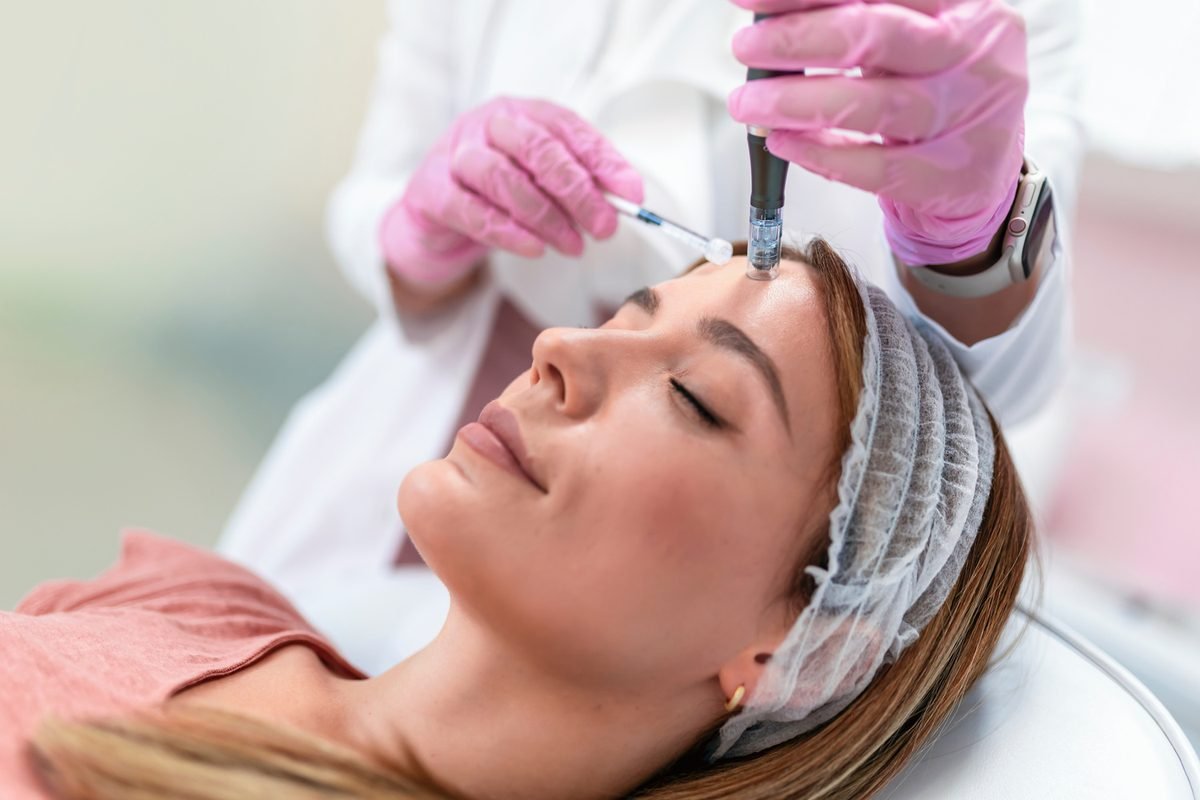
Rosacea is a chronic inflammatory skin condition that mainly affects the centre of the face — the cheeks, nose, chin and forehead. It causes persistent redness and easy flushing, and in many people also brings visible blood vessels, acne-like bumps, or a stinging, burning feeling. Some people develop eye irritation or, over time, thickening of the skin.
It's driven by a mix of an overactive immune response, tiny skin mites that everyone has (present in greater numbers in rosacea), blood-vessel reactivity and genetics — which is why it behaves differently from ordinary sensitive skin and why generic "calming" creams alone rarely control it. Because rosacea is genuinely medical, the most important step is an accurate diagnosis and a proper plan from a dermatologist, rather than trial-and-error with products.
Book a Rosacea AssessmentKnow Your Type
The Four Types of Rosacea
People can have one type or a mix — and each needs a slightly different plan.
Redness & Vessels
Persistent central-face redness with easy flushing and visible small blood vessels (telangiectasia). Medically called erythematotelangiectatic rosacea — the most recognisable type.
Bumps & Pustules
Redness with acne-like bumps and pus-filled spots (papulopustular rosacea). Often mistaken for acne — but there are no blackheads, and anti-acne products can make it worse.
Skin Thickening
Thickening of the skin, most often on the nose (rhinophyma), developing in some people over time. Needs early management to help prevent progression.
Ocular (Eyes)
Dry, gritty, irritated or watery eyes. More than half of people with rosacea get some eye involvement, so it shouldn't be ignored.
Rosacea on Pakistani Skin
On darker skin tones the redness often looks dusky, violet or brown rather than bright red — so rosacea is frequently missed or mislabelled. It also overlaps with pigmentation. Being assessed by a doctor experienced in skin of colour makes an accurate diagnosis far more likely.
What Sets It Off
Common Rosacea Triggers
Rosacea doesn't have a single cause, but flare-ups are set off by triggers — and they vary from person to person. The most common are:
- Sun & heat — the leading triggers, and unavoidable-feeling in Pakistan's climate
- Spicy food & hot drinks — classic flushing triggers
- Alcohol — especially red wine
- Stress — a very common flare trigger
- Extreme temperatures — going from heat to cold and back
- Harsh skincare — scrubs, strong acids and aggressive facials
Finding and reducing your personal triggers — often with a simple flare diary — is one of the most powerful parts of managing rosacea, alongside medical treatment.
Get Trigger & Skincare GuidanceHow Rosacea Is Managed
A Medical Plan, Matched to Your Type
Rosacea responds to a layered medical approach — not a one-off treatment.
| Feature | Approach |
|---|---|
| Persistent redness & flushing | Gentle skincare, sun protection, trigger management; prescription topicals; laser/light for vessels where suitable |
| Bumps & pustules | Prescription topical and/or oral medication (dermatologist-led) |
| Skin thickening | Early medical management; procedures for advanced cases |
| Eye symptoms | Eye-focused care; see a doctor promptly |
| Every type | Daily gentle routine, SPF and a personal trigger plan |
Prescription medication is provided only after a proper medical assessment by Dr. Sania Khan — never bought or self-dosed over the counter.
At Skin Bliss
How We Help With Rosacea
Diagnosis & Plan
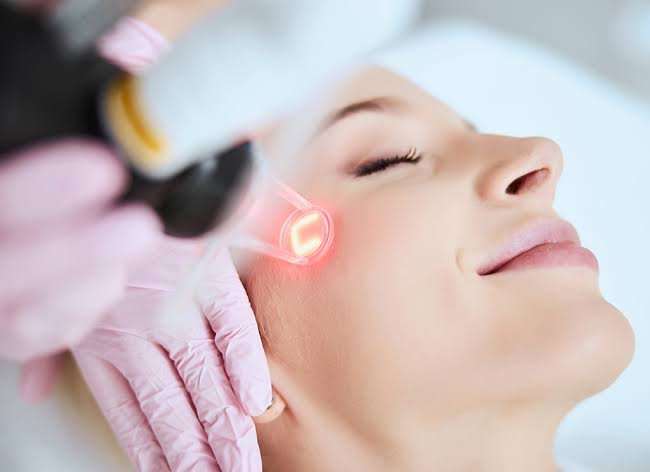
An accurate diagnosis and a tailored medical plan — the essential first step.
Book Consultation →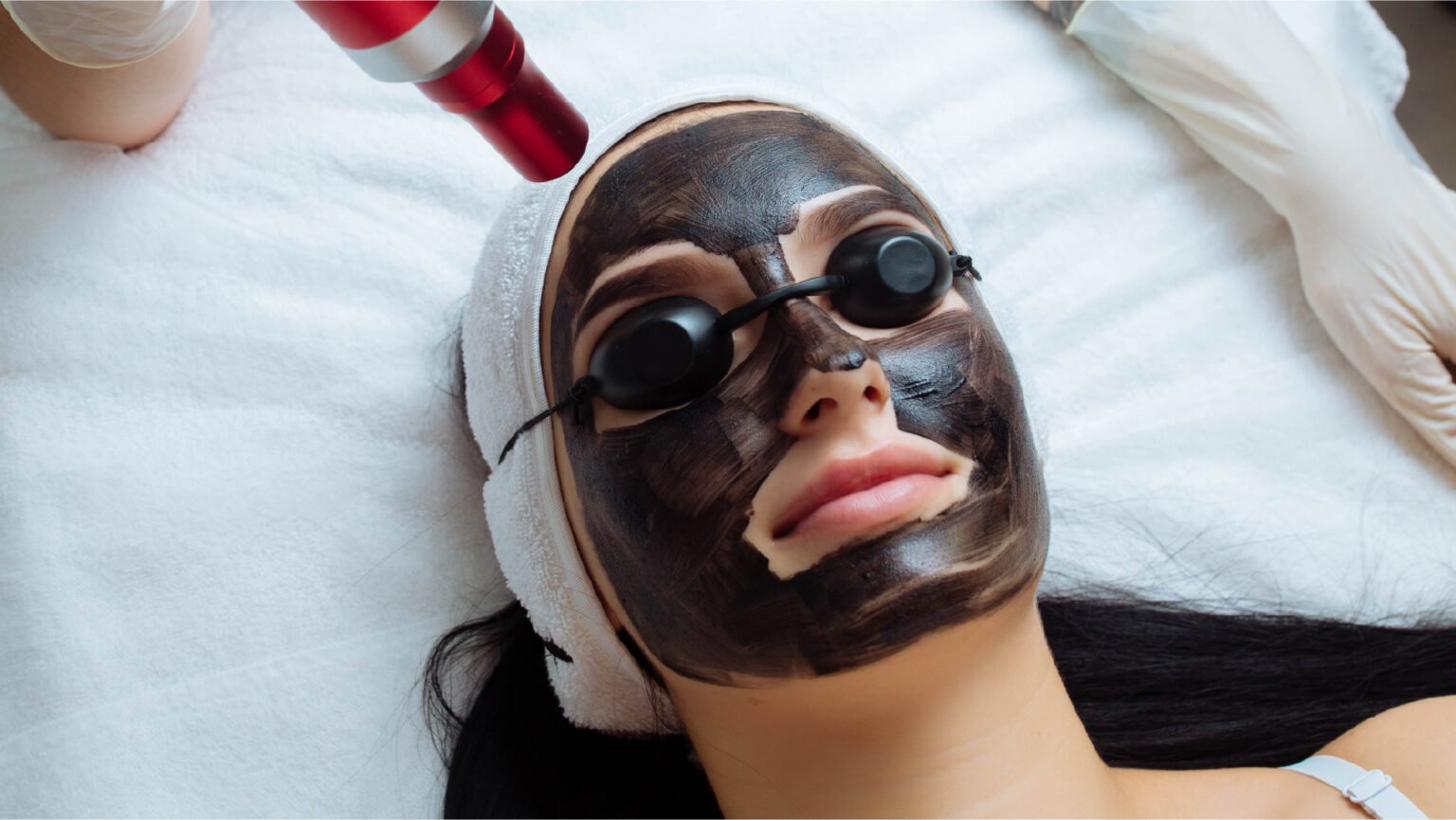
Dermatologist-Led Care
Prescription-based management by Dr. Sania Khan, experienced in skin of colour.
Meet the Doctor →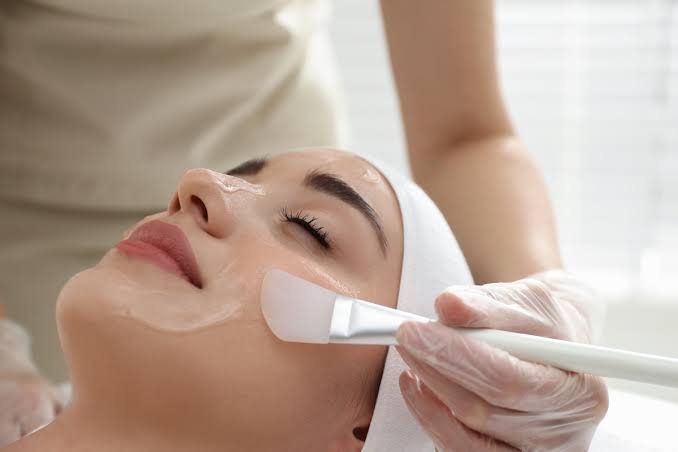
Gentle Barrier Support
Soothing, hydrating care to support the skin barrier — when your skin is calm.
From PKR 5,000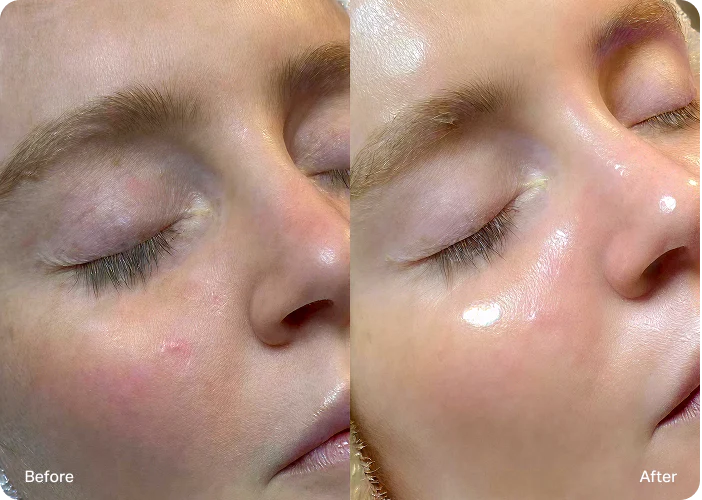
Pigmentation Support
For the brown discoloration rosacea can leave on darker skin.
From PKR 8,000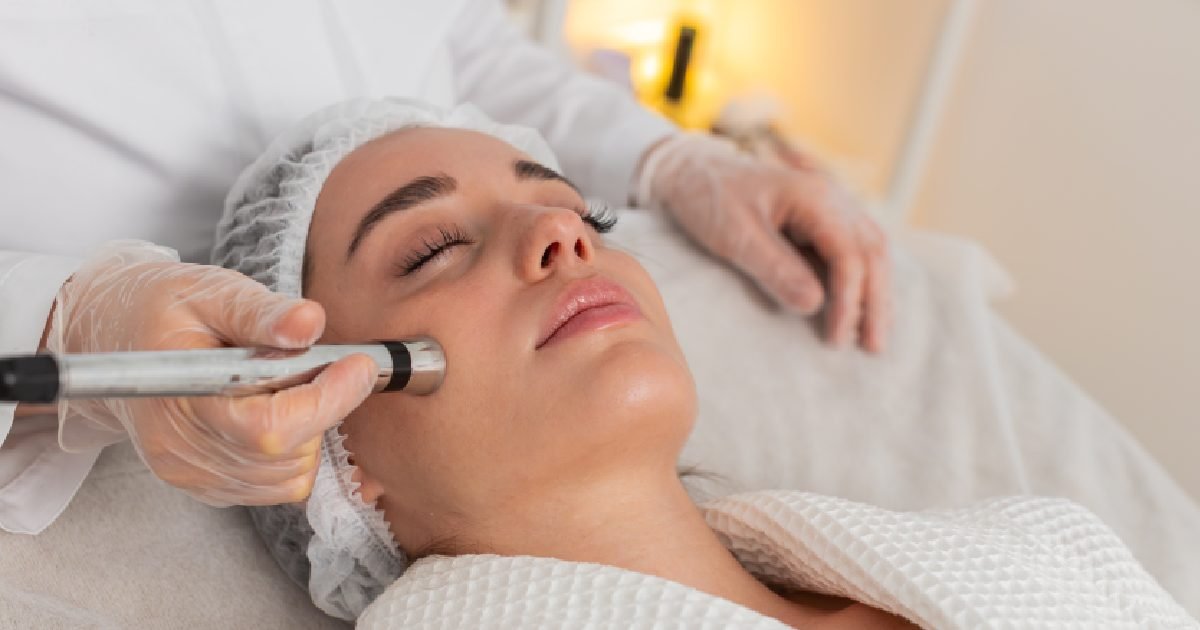
Before & After
Real patient results, shared with consent.
View Gallery →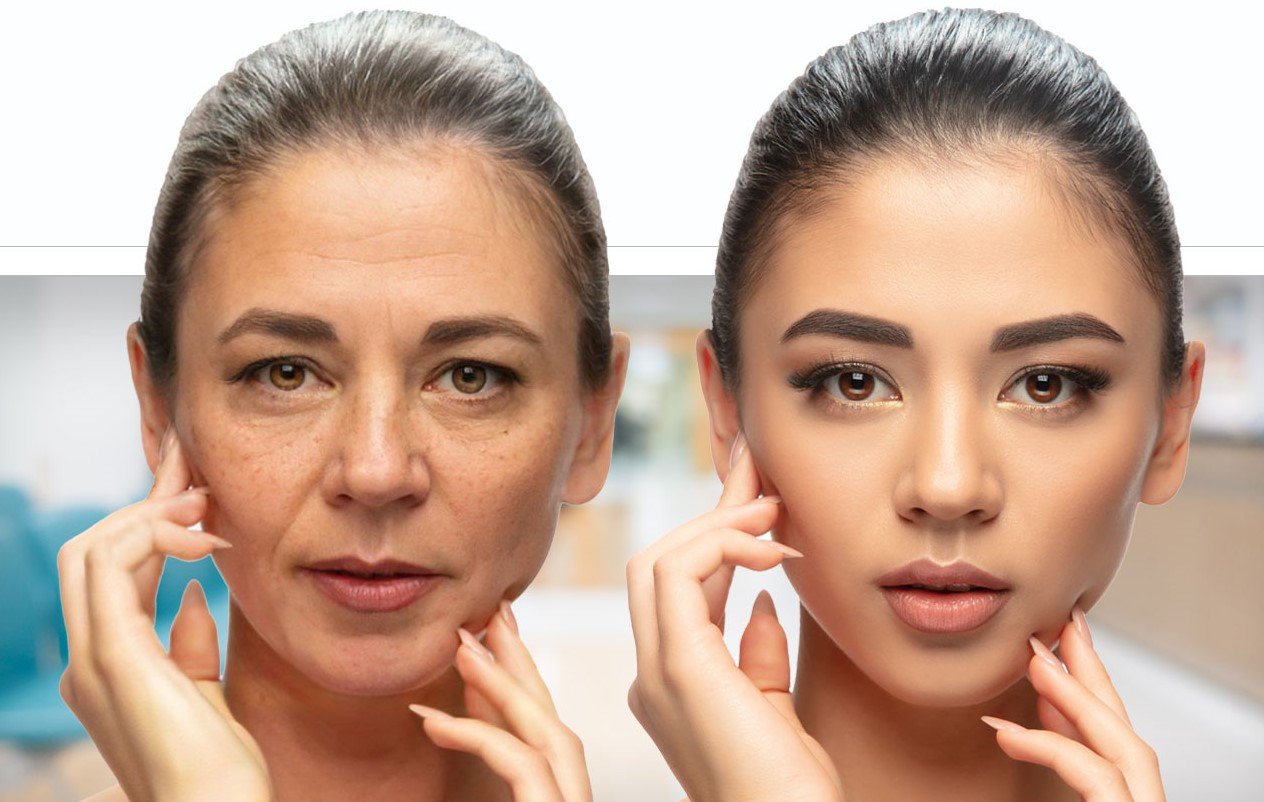
See All Prices
Transparent, itemised pricing — same at Islamabad & Karachi.
View Pricing →Why a Doctor Matters
Rosacea Needs a Diagnosis, Not Guesswork
Rosacea is regularly mistaken for acne, allergies or ordinary sensitive skin — and treating it as the wrong thing usually makes it worse. It also looks different on darker Pakistani skin, where it can appear dusky or brown and be overlooked. Getting it right takes a medical eye.
At Skin Bliss, rosacea is assessed and managed by Dr. Sania Khan, who builds a proper medical plan — skincare, sun protection, trigger management, prescription treatment and, where suitable, laser for redness — at both our Islamabad and Karachi clinics.
Book a Free ConsultationFAQs
Rosacea — Your Questions Answered
There is currently no cure for rosacea, but it can be controlled very well. With the right medical plan — gentle skincare, sun protection, trigger management and prescription treatment — most people can calm the redness and bumps and keep flare-ups to a minimum. Rosacea is managed long-term, much like other chronic skin conditions, rather than fixed once and forgotten.
Common triggers include sun exposure, heat, spicy food, hot drinks, alcohol (especially red wine), stress, extreme temperatures, vigorous exercise and harsh skincare. Triggers vary from person to person, so a big part of managing rosacea is identifying your own — often by keeping a simple diary — and reducing them. In Pakistan's hot, sunny climate, heat and sun are especially common triggers.
No, though they're often confused because rosacea can cause acne-like bumps. The key difference is that rosacea doesn't produce blackheads and whiteheads, and it centres on persistent facial redness and flushing that acne doesn't. Treating rosacea like acne with harsh anti-acne products often makes it worse, which is exactly why an accurate diagnosis matters before starting anything.
Yes. Rosacea occurs in all skin tones, but on darker Pakistani skin the redness can look more violet, dusky or brown rather than bright red, so it's frequently missed or mistaken for other conditions. Because it can be under-recognised on darker skin, seeing a dermatologist who assesses skin of colour is important for getting the right diagnosis.
Rosacea is treated medically, not with a single procedure. The foundation is gentle, rosacea-friendly skincare, daily sun protection and trigger management. On top of that, a dermatologist may prescribe topical or oral medication to calm redness and bumps, and use laser or light therapy for persistent redness and visible blood vessels where suitable. The exact plan depends on your type and is set by Dr. Sania Khan at consultation.
For persistent redness and visible blood vessels, laser or light-based treatment can help significantly by targeting the dilated vessels — but it is used only after assessment, once the skin is stable, and it does not replace the medical and skincare foundation. Whether it's suitable for you depends on your rosacea type and skin, which is decided at consultation.
Absolutely — this is one of the most common reasons rosacea flares. Harsh scrubs, strong acids, alcohol-based products and aggressive facials irritate rosacea-prone skin and worsen redness. Rosacea skin does best with a mild cleanser, a gentle moisturiser and daily sunscreen. A dermatologist can help you build a routine that calms rather than provokes your skin.
Untreated, rosacea can gradually worsen — repeated flushing can lead to more lasting redness, more visible vessels and, in some people, skin thickening. The encouraging part is that early, consistent management usually keeps it stable and comfortable, which is why it's worth seeing a doctor rather than waiting.
For many people, yes. Spicy foods, hot drinks and alcohol — red wine in particular — are well-known flushing triggers that can set off a flare. They don't cause rosacea, but reducing the ones that affect you personally can noticeably cut down on flare-ups. Identifying your own food and drink triggers is part of managing the condition.
If facial redness is persistent, keeps flaring, comes with bumps or visible vessels, or affects your eyes (grittiness, irritation), it's worth seeing a dermatologist. Getting an accurate diagnosis early means treatment can keep rosacea from worsening — and rules out other causes of redness. At Skin Bliss, Dr. Sania Khan can assess it and build a plan at both the Islamabad and Karachi clinics.
Calm the Redness — Properly
Book a free rosacea assessment with Dr. Sania Khan at Skin Bliss Islamabad or Karachi — get an accurate diagnosis and a plan that actually calms your skin.